Responsible Wildlife Viewing: Observe Without Disturbing Marine Life
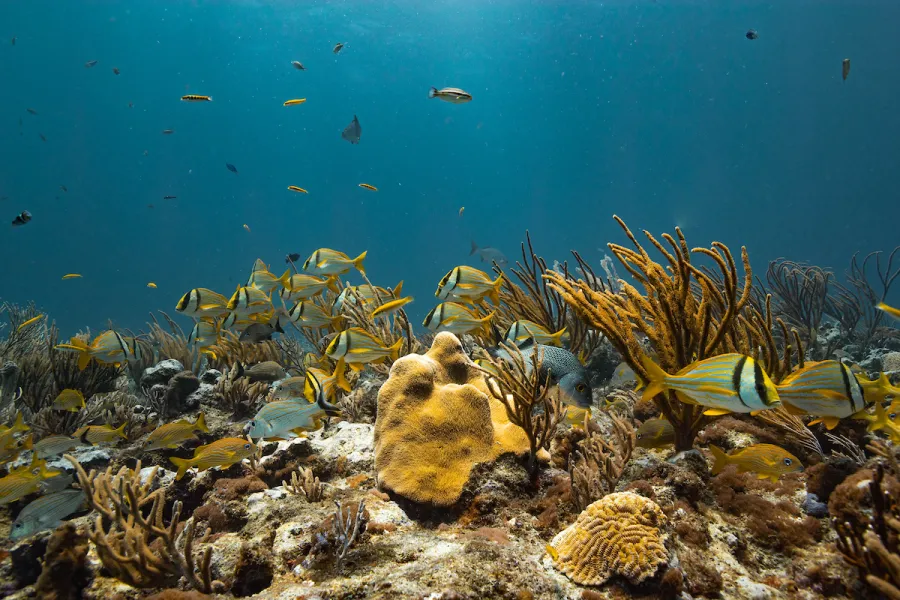
Whether a wildlife encounter happens unexpectedly or as part of a specialized marine wildlife tour, the recommendations for a safe and responsible experience are the same: do not touch, feed, or pursue the animal.
These recommendations go beyond ethical principles for responsible interactions with marine wildlife. Some of these behaviors are also regulated by federal and local laws that every tour operator should be familiar with to help prevent both staff and guests from engaging in practices that could harm Puerto Rico’s marine wildlife and ecosystems.
Discover Puerto Rico spoke with Dr. Jorge Bauzá, Scientific Director of the San Juan Bay Estuary, about the guidelines people should follow when encountering marine wildlife, as well as the legal considerations operators should keep in mind when offering wildlife-viewing experiences.
Observe without Interfering
Dr. Bauzá emphasized that wildlife viewing can be an educational experience without the need to interfere with the animal. His recommendation is to keep a safe distance and avoid any behavior that could disrupt an animal’s natural behavior, such as chasing, touching, provoking, or feeding it to attract it, make it easier to observe, or get a photo.
When it comes to marine mammals, these recommendations also have a legal component. The federal Marine Mammal Protection Act protects species such as dolphins, whales, and manatees and prohibits certain activities, including feeding or harassing them in the wild.
The law defines harassment as actions that have the potential to injure marine mammals or disrupt their natural behavioral patterns, including migration, feeding, breeding, nursing, or resting.
For this reason, an unexpected encounter with an animal does not mean a visitor must immediately leave the area. If an animal approaches on its own, the recommendation is simply to observe without interfering, touching, feeding, or trying to provoke a reaction.
“If you’re in the Condado Lagoon, for example, and a manatee approaches you, you don’t have to leave the area. You can observe it; that’s not prohibited by law. What you can’t do is pursue it, touch it, feed it, or provoke it,” Dr. Bauzá emphasized.
Not Every Species Has a Wildlife-Viewing Season
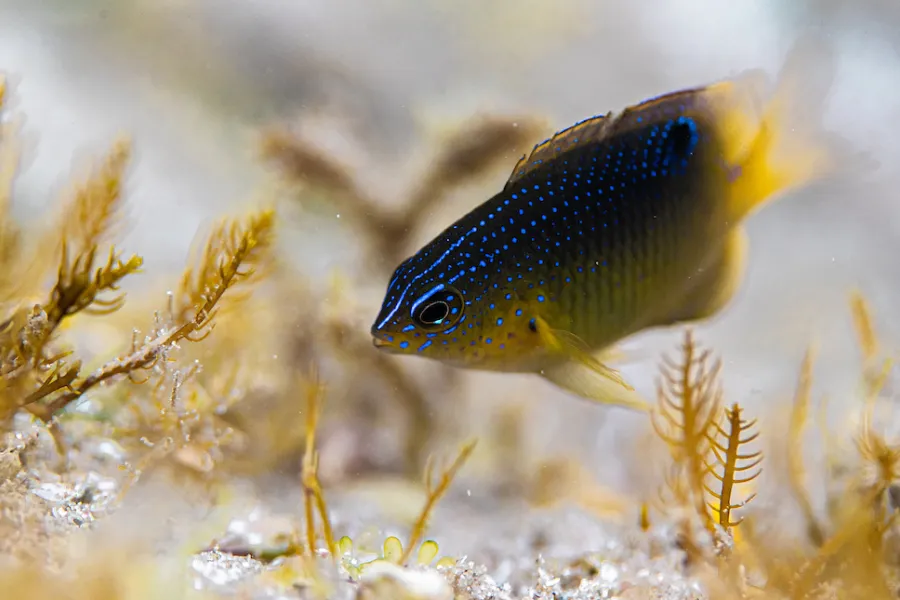
In Puerto Rico, ocean and weather conditions are among the factors that determine the likelihood of seeing marine species during activities such as recreational diving. Dr. Bauzá explained that there is no specific season for viewing most of the fish and invertebrates found in coral reef ecosystems.
The clearest exception is the humpback whale, whose migration route brings it near Puerto Rico’s shores between January and March.
For sea turtles, nesting periods also create distinct viewing seasons. Leatherback sea turtles, for example, come ashore to nest between March and July.
When it comes to recreational diving, however, the experience can vary from one day to the next. Ocean conditions determine whether diving is feasible, as well as the number and variety of species divers may encounter.
Both Tour Operators and Visitors Have a Responsibility
For businesses offering diving excursions or tours to see dolphins, whales, and other marine wildlife, responsible practices begin before guests ever enter the water.
Dr. Bauzá recommended that operators learn about the species they may encounter and the appropriate practices for each type of experience. He also encouraged visitors to research the company offering the activity and understand how the experience is conducted.
One red flag is an operator that guarantees wildlife sightings through practices that involve feeding or attracting animals or otherwise altering their natural behavior.
“If they tell you they bring food or make noises to guarantee that you’ll see the animals, that’s not the kind of operator you should support,” he said.
By contrast, setting realistic expectations—such as letting guests know that there is a chance they may not see the species—is a good indication that the experience is being conducted without interfering with the animal’s natural behavior.
The Case of Sharks
One activity that currently deserves particular attention is shark-viewing excursions.
Dr. Bauzá explained that these types of experiences are available in Puerto Rico, particularly those involving nurse sharks. However, he noted that feeding sharks to attract them can alter their natural behavior and create risks for both the animals and people.
Dr. Bauzá pointed out that, unlike marine mammals, the legal framework specifically addressing the feeding of sharks is not defined in the same way in Puerto Rico. While discussions and proposals related to this practice continue, the recommendation from a conservation and safety standpoint remains the same: wildlife should not be fed in order to attract it.
The goal is not to avoid encounters with marine life, but to make sure these experiences can be enjoyed without disrupting the animals’ natural behavior. Observing from a distance and avoiding interference are the primary recommendations for turning an encounter with Puerto Rico’s marine wildlife into a memorable and responsible experience.