San Sebastián continues to establish itself as an inland destination where local entrepreneurship, natural attractions, and cultural preservation converge. Through a visit to various locations across the municipality, development models emerge that prioritize identity, resilience, and the diversification of the tourism offering.
San Sebastián: A Journey Through Local Entrepreneurship, Nature, and Cultural Heritage
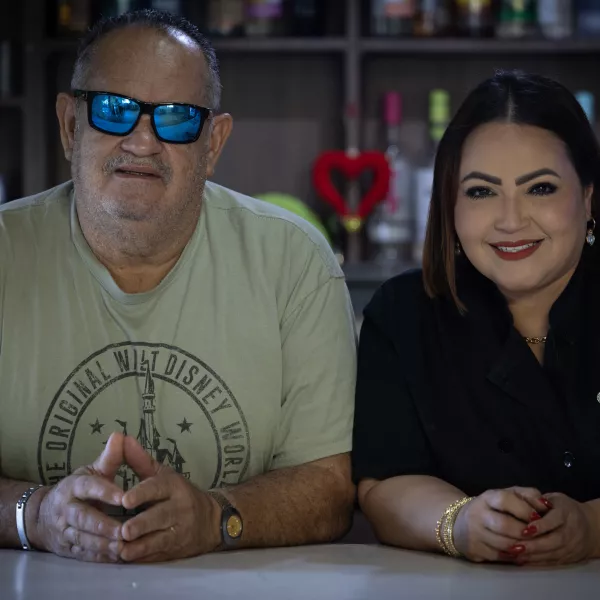
Martir’s Sport Bar
With more than 36 years of history, Martir’s Sport Bar represents the evolution of the traditional chinchorro into a gastronomic concept adapted to new trends, while preserving its strong community roots. The business has been operated for the past 12 years by Leticia Martir, daughter of the founders, who has led its transformation through culinary innovation and a sustained entrepreneurial vision.
This family-owned business employs 21 people, most of whom are family members, and has gained recognition for its distinctive culinary offerings. Among its signature dishes is the volcanic relleno, an innovative fritter topped with the house-made cheese and pico de gallo.
In the beverage category, Martir’s has become a local reference for its mojitos, crafted both with rum and in non-alcoholic versions. Leticia Martir has been recognized as a five-time MojitoFest champion, positioning this drink as one of the establishment’s specialties.
The venue features six terraces, is pet-friendly, and operates from Thursday to Sunday: Thursdays and Fridays from 3:00 p.m., and Saturdays and Sundays from 12:00 p.m. to 6:30 p.m.
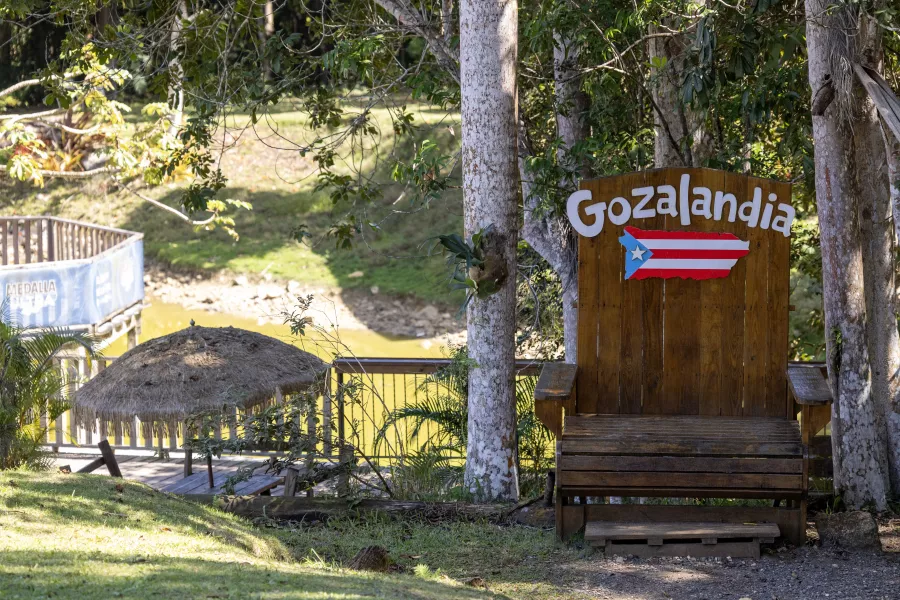
Gozalandia
The second stop on the tour was Gozalandia, one of the municipality’s most recognized natural attractions and a strong example of how outdoor recreation can be integrated with local entrepreneurship and conservation efforts.
Within the area operates SHA’s, a restaurant and bar celebrating 11 years of operation, with heightened activity during the summer season. The establishment is open Monday through Sunday from 11:00 a.m. to 6:00 p.m., and during the week it provides space for local artisans, integrating the creative economy into the visitor experience.
Beyond its commercial operations, the restaurant’s owners have undertaken initiatives to support the area, including the development of trails and the hiring of maintenance staff, contributing to a more organized and enjoyable experience for both residents and visitors.
Gozalandia has also gained visibility through the creative industries, having served as a filming location for the artist Rauw Alejandro, highlighting the potential of Puerto Rico’s inland regions as settings for cultural and audiovisual productions.
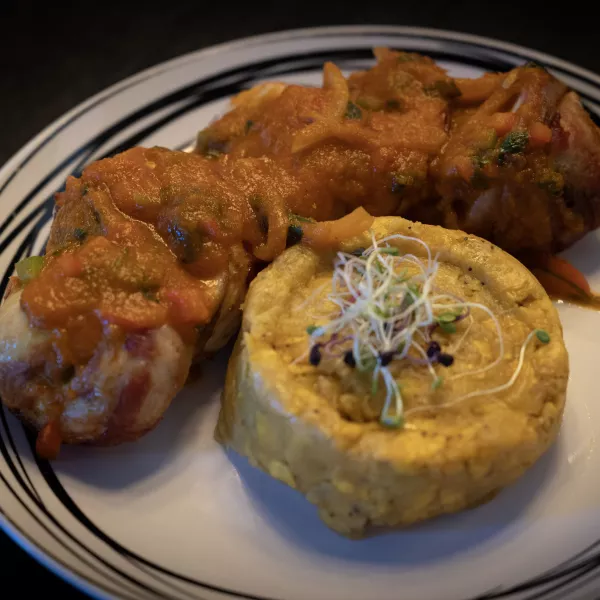
Restaurante Mixto
During the tour, a lunch stop was also made at Restaurante Mixto, a local business that is part of the municipality’s gastronomic offering. The establishment serves as a resting point within the itinerary and caters to both residents and visitors traveling through the area.
The inclusion of establishments such as Restaurante Mixto in this type of tour highlights the diversity of options available in San Sebastián and underscores the importance of supporting local businesses that complement the visitor experience.
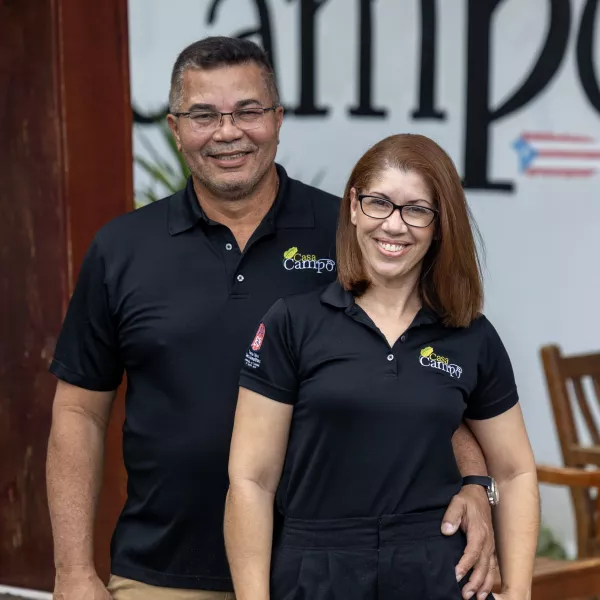
Casa Campo Bed & Breakfast
The third stop took us to Casa Campo Bed & Breakfast, a lodging project celebrating eight years of operation this year and rooted in a story of personal reinvention. After 27 years in the pharmaceutical industry, its owner, William Puig, turned unemployment into an opportunity to fulfill a long-held dream: developing a bed & breakfast with a human-centered and community-focused approach.
The property features six rooms, including options for two guests as well as accommodations for two adults with two children, catering to different visitor profiles. All rooms include a balcony, strengthening the connection with the surrounding natural environment.
Casa Campo Bed & Breakfast is endorsed by the Puerto Rico Tourism Company and welcomes international visitors, demonstrating how independent inland accommodations can successfully integrate into the tourism market while maintaining a sustainable scale and strong local character.
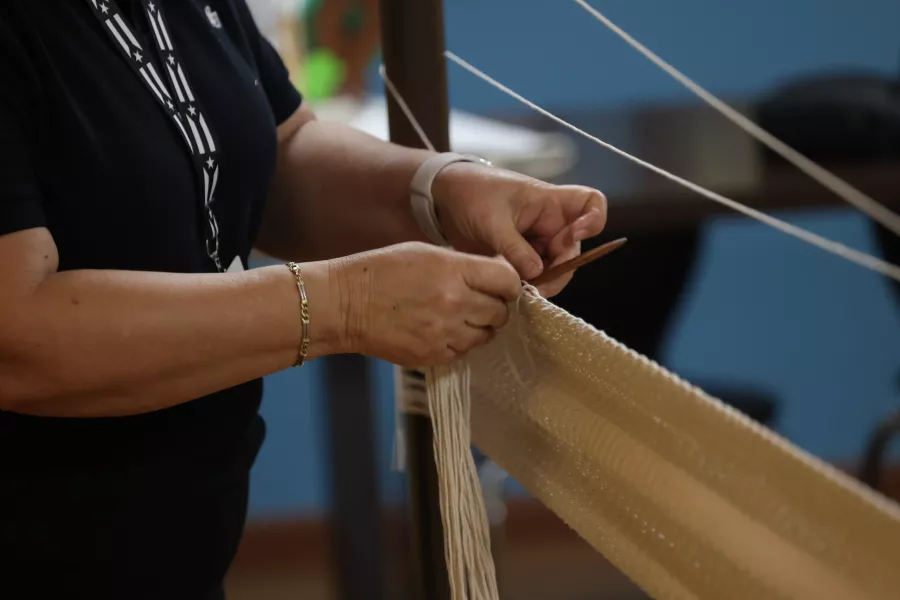
Hammock Museum
The tour concluded at the Museo de la Hamaca, a space dedicated to preserving one of the Caribbean’s oldest artisanal traditions. Historically, the Taíno people used the maguey plant as the raw material for crafting hammocks, following a lengthy and highly specialized process.
A hammock made from maguey fiber—such as those produced by the Cañete family—can support more than 5,000 pounds. However, due to the complexity of the process, which can take nearly a year with daily workdays ranging from four to eight hours, this type of piece is rare today and can reach an approximate cost of $1,000. In contrast, cotton hammocks, which are the most common today, can be produced in about two weeks and typically start at around $100.
The museum operates from Thursday to Sunday, from 9:00 a.m. to 4:00 p.m., and is located in the former Gutiérrez Elementary School, built in 1903, adding historical value to the space. In addition, it continues the tradition of the Hammock Festival, first held in 1981 and celebrated annually, typically between July 4 and July 6.
This tour of San Sebastián highlights how family-owned businesses, natural attractions, and cultural spaces can coexist as pillars of local development. Through innovation, the preservation of traditions, and community commitment, the municipality demonstrates the potential of inland tourism as a tool for economic, cultural, and social impact.