
Understanding the history of Puerto Rico provides a richer context for the people you’ll meet and places you’ll discover while exploring the Island.
For example, before the Spanish labeled the Island Puerto Rico (literally, “Rich Port,”) the place was known as Borinquen, which comes from the word Borikén or “Land of the Valiant and Noble Lord,” which was the name given by the Taíno (indigenous people) before the arrival of Christopher Columbus in 1493. This is why Puerto Ricans often refer to themselves as boricuas. You’ll also find a beautiful spot called Punta Borinquen on the west side of the Island.
As you travel, consider adding a few of these historic sites to your itinerary. Beyond their lasting cultural value, many offer incredible scenery to enjoy as well — so you can double your fun.
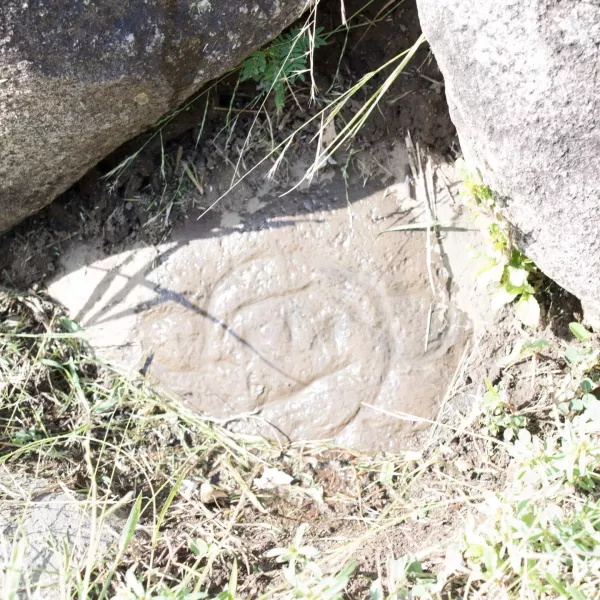
A petroglyph at the Tibes Indigenous Ceremonial Center in Ponce.
Centro Ceremonial Indígena de Tibes
Located in Ponce, an hour and a half drive from San Juan, the Centro Ceremonial Indígena de Tibes is another significant Taíno archeological site on the Island's coastal south side. Following torrential rainfalls and river floods in 1975, evidence of pre-Taíno civilizations was revealed. Excavations in the area uncovered seven bateyes, two ceremonial plazas, along with hundreds of bone structures and tools. A museum in the park displays several weapons, pottery artifacts, and figures representing deities, or cemíes, used in their daily lives. You can arrange for a bilingual one-hour tour that includes a visit to the museum and a film.
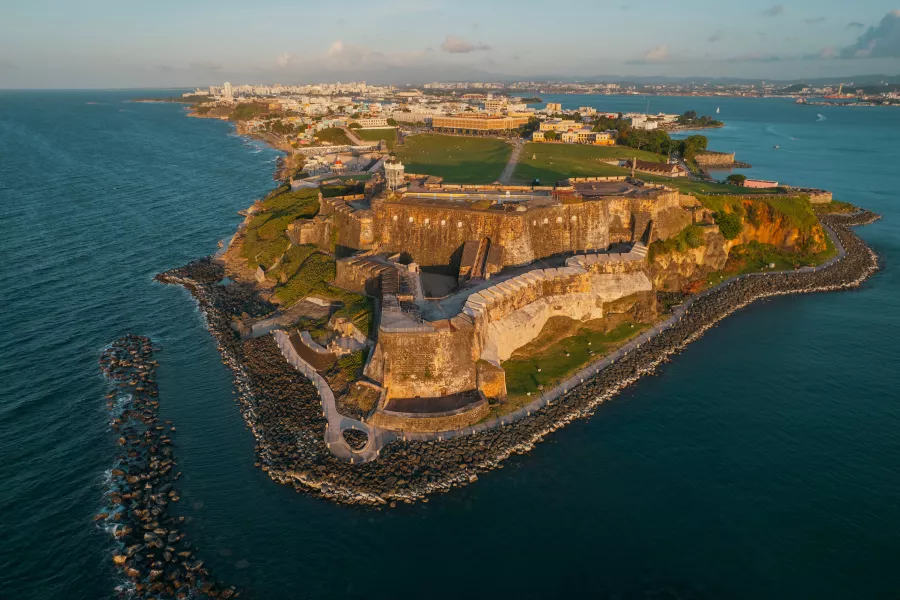
El Morro in Old San Juan stands as a historic fortress overlooking the Atlantic Ocean.
Castillo San Felipe del Morro
Old San Juan
The San Juan National Historic Site includes the Castillo San Felipe del Morro, Castillo San Cristóbal, most of the city walls, la Puerta de San Juan, and the Fort San Juan de la Cruz. El Morro, a UNESCO site and a true testament to the beautiful history of Puerto Rico, is the most recognized landmark in the Island and a must-see if you are short on time during your visit and trying to choose must-see attractions.
The construction of El Morro began in the 16th century to protect the San Juan harbor entrance by the Spanish conquistadores. It served as a defensive position in the New World and witnessed many battles against foreign powers and pirates. From the fort, the views of the city and the ocean are stunning.
Before leaving, make sure to fly a kite on the enormous green fields outside of El Morro, take a deep breath, and relax under the magnificent blue skies — this is a treasured experience.
Open daily from 9:00 a.m. to 5:00 p.m., with an entrance fee of $10 per person (children under 15 enter free). Paid admission to El Morro gets you to access to San Cristóbal as well; just save your receipt.
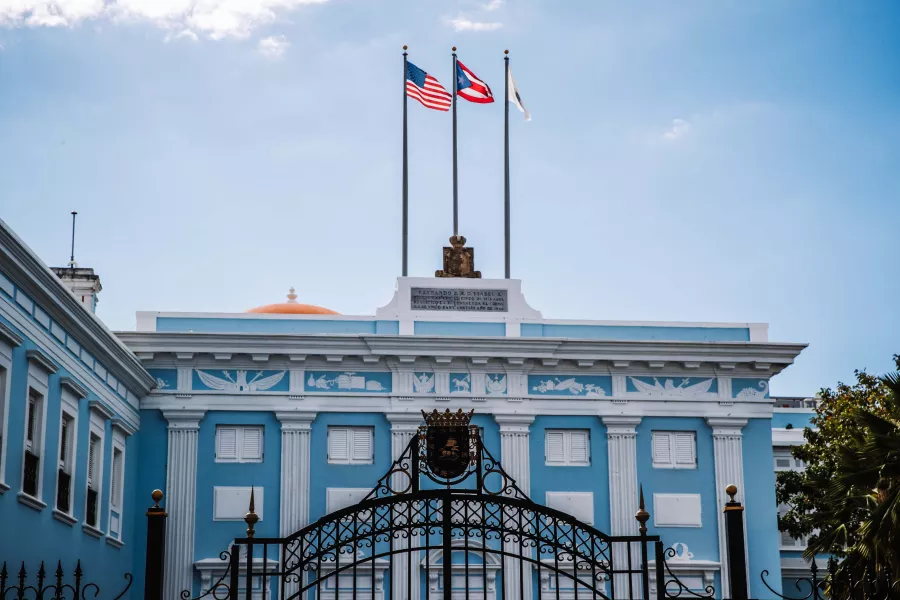
The beautiful Governor's Mansion, aka La Fortaleza.
La Fortaleza
Old San Juan
La Fortaleza or El Palacio de Santa Catalina, is the name given to the charming governor’s mansion in Old San Juan. Built in 1533, it has been the official governor’s residence for centuries and has housed more than 170 leaders, making it the oldest executive mansion in continuous use in the New World.
Open from 8:00 a.m. to 4:00 p.m. during weekdays. The entrance is free of charge. You can call 787-721-7000 ext. 2211 for information and schedule your visit.
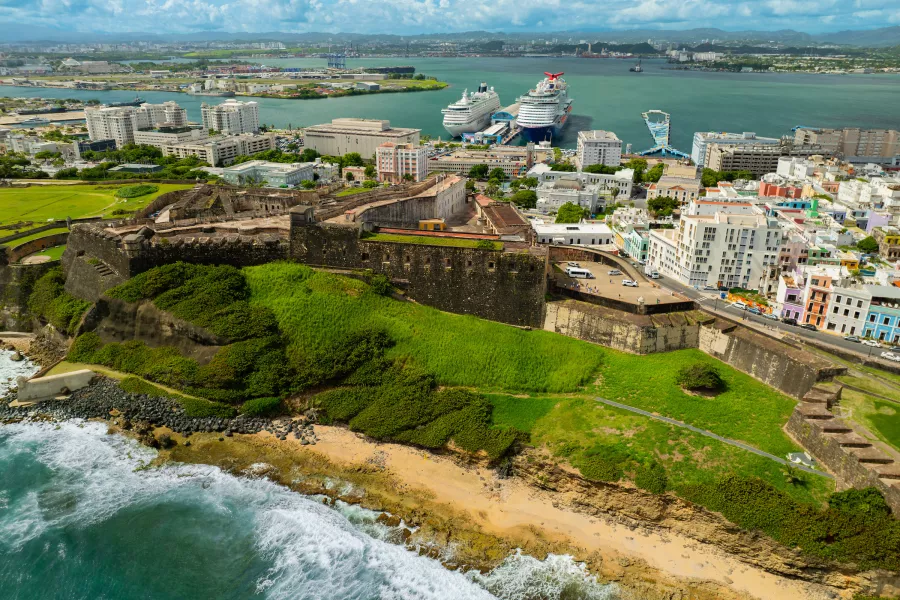
Castillo San Cristóbal in Old San Juan is a historic fortress with sweeping ocean and city views.
Fuerte San Cristóbal
Old San Juan
Built in 1634 to protect San Juan from land attacks, the San Cristóbal Fort is the largest Spanish fort in the Americas, covering some 27 acres of land. At the beginning of the experience, you can watch a short film explaining the fort's history and listen to an orientation offered by the staff every hour. Inside, you will find the main plaza used for troop formations and practices, a chapel, troop quarters, tunnels used by soldiers, artillery, and more. The observation post located on the third level gives you a beautiful ocean and city view.
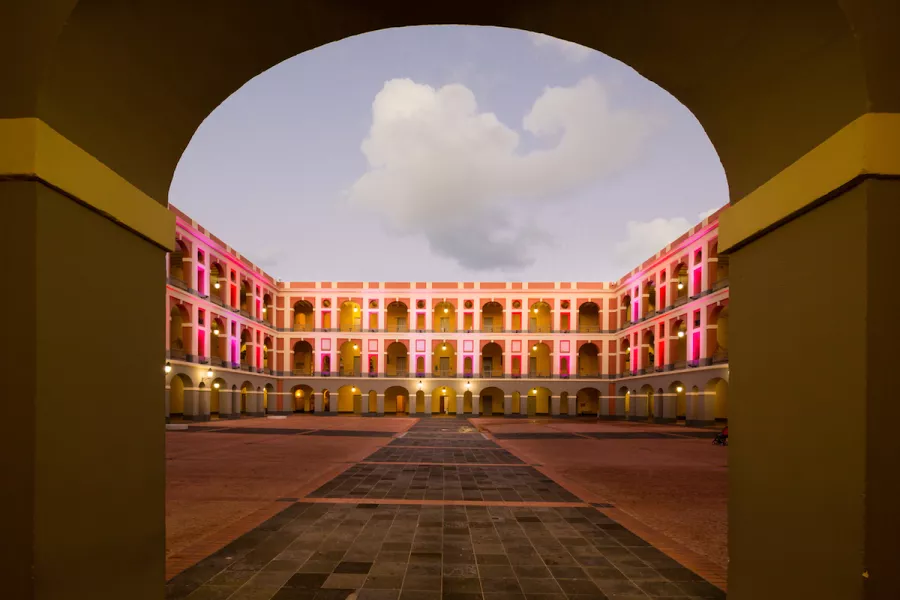
The courtyard of the historic Cuartel de Ballajá, now the Museum of the Americas.
Cuartel de Ballajá
Old San Juan
The Cuartel de Ballajá was the last piece of monumental military architecture created by the Americas' Spanish army. It was built in 1854 and used until 1898 as an infantry barrack for thousands of soldiers and their families; the structure occupies three acres of land. Nowadays, it is a cultural center and home to the Museo de las Américas.
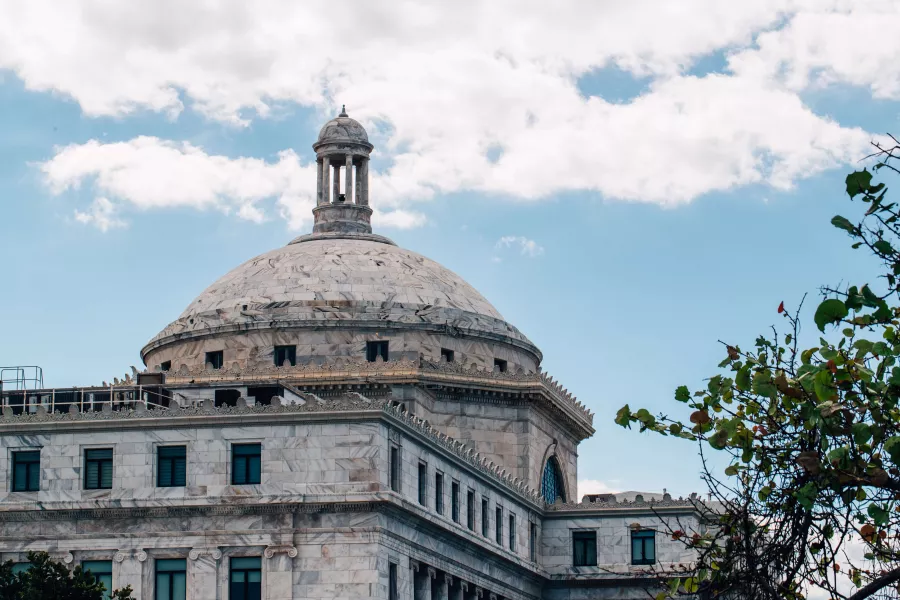
The stunning Puerto Rico Capitol building was inaugurated in 1929.
Capitolio de Puerto Rico
Old San Juan
Inaugurated in 1929, the Puerto Rico Capitol building is listed in the United States National Register of Historic Places as a historic landmark. Local state senators and representatives meet to legislate in this three-story building covered with marble. In the center, a rotonda showcases the Constitution of the Commonwealth of Puerto Rico, protected by high ceilings with mosaics featuring important historical events.
The tours are free of charge. Open from 8:30 a.m. to 5:00 p.m., but you need to plan your visit by calling 787-721-5200 Ext. 311.
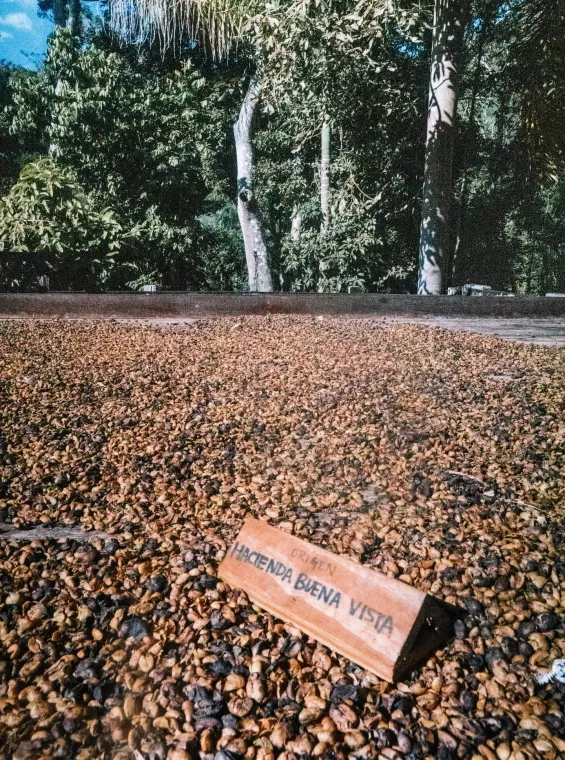
Coffee beans for days at Hacienda Buena Vista in Ponce.
Hacienda Buena Vista
The Hacienda Buena Vista, located in Ponce, tells the story of the Island’s coffee production prime days more than 150 years ago. The restored historical site consists of a Spanish colonial main house, slave quarters, farm buildings, and other processing areas. This hacienda served as one of the main producers of coffee in the 19th century, cultivating some of the finest beans consumed. The water of a nearby river powers original hydraulic turbines as its main engine. Current guided tours teach the role plantation owners and slaves had in the production of goods and the growing and processing of cocoa, coffee, and other local products.
Open Wednesdays to Sundays from 9:00 a.m. to 4:00 p.m.; you can call or email Para La Naturaleza to schedule tours at 787-722-5882 [email protected].
Comment Guidelines
We value your thoughts and want to foster a respectful and engaged community. As such, we ask that you adhere to the following guidelines when posting comments
- Please ensure your opinions are expressed respectfully.
- We won’t remove comments that engage in courteous debate but hate speech or any form of profanity will not be tolerated. This also applies to the inappropriate use of emojis or hashtags.
- Do not downvote or dislike a comment simply because you disagree with another person’s views.
- Self-promotion and external links are not allowed and will be removed.
- Avoid sharing private information about yourself or others. Doxing (the act of leaking personal information with harmful intent) is strictly prohibited and will result in a ban.
- Comments that are off-topic will be deleted.