
Caves, trails, graves, and petroglyphs tell the story of the island’s cultural origins.
Before Spanish ships reached Puerto Rico’s shores, the island was home to the Taíno people — a vibrant indigenous culture that shaped its history, language, and traditions. Today, you can walk in their footsteps along the Taíno Route, a journey through sacred ceremonial parks, ancient petroglyphs, and living cultural centers. Discover the resilience and legacy of Puerto Rico’s first inhabitants as you explore these unforgettable sites and connect with the spirit of the island’s indigenous past.
Who Were the Taíno People?
The Taíno people were the indigenous people of Puerto Rico and much of the Caribbean before the arrival of Europeans. Organized into hierarchically structured villages called yucayeques, each led by a cacique (chief), the Taínos developed a rich culture rooted in agriculture, hunting, and spiritual traditions. They honored deities like Yocahú through ceremonial dances (areytos) and gatherings at the batey, the ceremonial plaza.
Highly skilled artisans, they crafted tools from wood and stone and wove cotton into clothing and hammocks. Following European colonization in the late 15th century, many Taínos tragically perished due to disease and exploitation. However, their legacy lives on: the Taíno name for Puerto Rico, Borinquen, remains a powerful symbol of pride, with Puerto Ricans often calling themselves Boricuas to honor their Taíno roots and culture.
The Taíno Route
The Taíno Route is an informative tour that highlights the role that this ethnic group had on Puerto Rico’s heritage. From north to south and going through the central mountain areas, the route offers a glimpse into the Taíno’s ceremonial centers, tombs, caves, and petroglyphs. Along the way, you’ll discover that the natives’ contribution to locals’ vocabulary, cuisine, and artwork is undeniable.
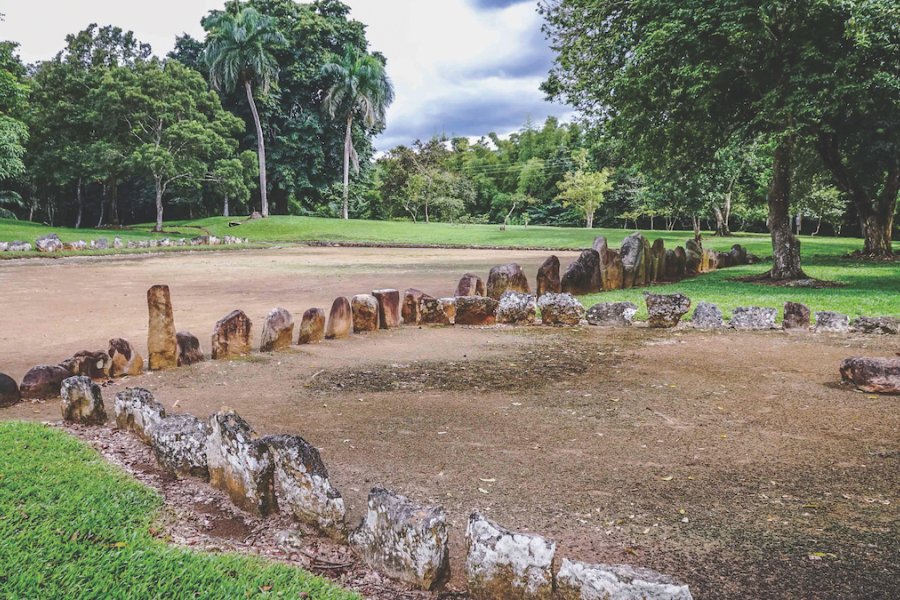
Parque Ceremonial Indígena de Caguana, an important Taíno ceremony site.
Important Taíno Sites in Puerto Rico
Puerto Rico is home to some of the most significant Taíno sites in the Caribbean, offering a glimpse into the island’s indigenous culture and history. From ancient ceremonial parks to sacred petroglyphs, these places preserve the rich legacy of the Taíno people. Exploring these historic landmarks allows visitors to connect with the Taíno heritage that continues to shape Puerto Rican identity today.
Plazas in Utuado y Ponce
Centro Ceremonial Indígena Caguana
Utuado
One of the most essential Taíno archaeological sites on the island and a true testament to the indigenous legacy is found in the Centro Ceremonial Indígena Caguana in Utuado, an hour and a half from San Juan in the island’s Central Mountain Range.
The bateyes, 10 plazas, 21 petroglyphs, stoneware and other utensils made by the Taínos can be seen during your visit. You can also explore the nearby river and natural reserve.
While in Utuado, make a stop to visit the indigenous cemetery Joya de Santana to look at the ancient inscriptions on the stones of the Jauca River, or the petroglyphs along the Río Grande de Arecibo, and check out the Cacique Don Alonso monument in the town’s public square.
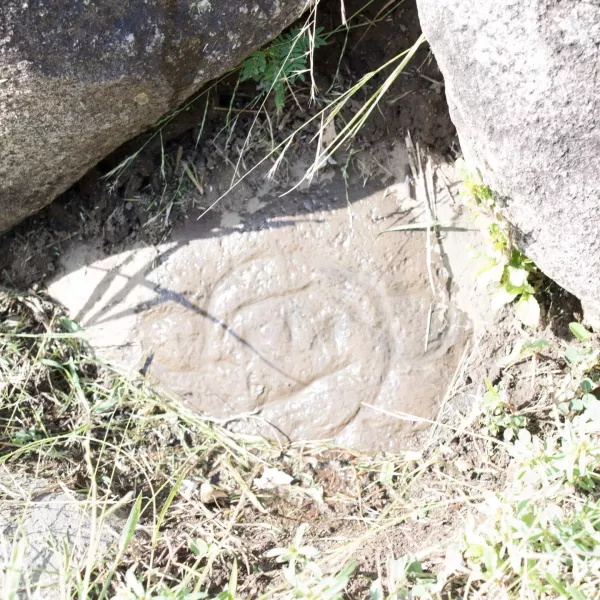
A petroglyph at the Tibes Indigenous Ceremonial Center in Ponce.
Centro Ceremonial Indígena de Tibes
Ponce
Continue along the route to make a stop in Ponce, an hour and a half from San Juan on the southern coastal side of the island, at the Centro Ceremonial Indígena de Tibes, where even more details about life during the Igneri, pre-Taíno, and Taíno cultures are on display in two ceremonial plazas and seven ball fields. Burial sites, petroglyphs, and other articles such as cemíes (carved figures of Taíno divinities), necklaces, and blades made of stone are also part of the exhibit.
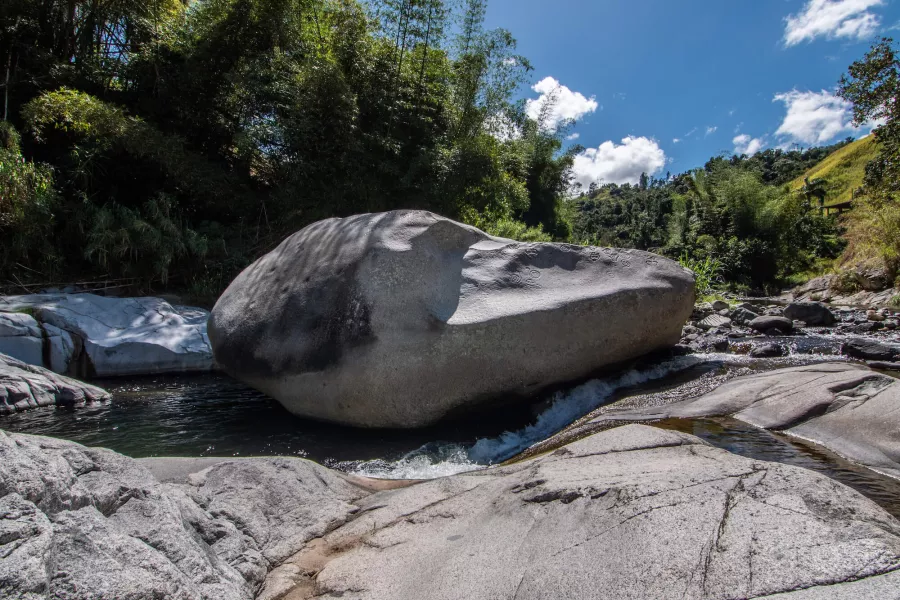
Piedra Escrita, in the middle of the Río Saliente, has some of the most incredible petroglyphs.
Jayuya’s Petroglyphs
Piedra Escrita
Route 144, Km. 7.3
In the middle of Río Saliente in Jayuya, almost two hours from San Juan in the mountainous region of the island, you can find one of the most admired petroglyphs in Puerto Rico. La Piedra Escrita is a large carved rock that contains many different types of shapes and forms, such as faces, spirals, and even a coquí. Visitors can swim and play in the water, as well as have direct contact with the rock. There is no fee and a recreational area near the river is open during the day year-round.
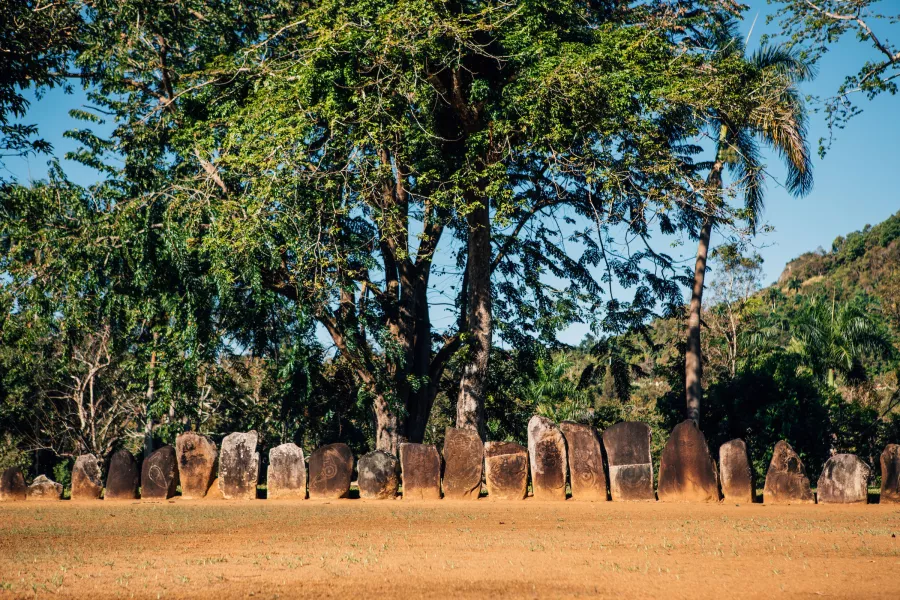
Caguana Indigenous Ceremonial Park in Utuado.
Sol de Jayuya
PR-144
Jayuya has many other Taíno gems that you shouldn’t miss during your visit. El Sol de Jayuya, which is part of the Mural Tallado de Zamas located in Cerro Puntas in the Zamas neighborhood, is one of the most ancient petroglyphs and represents religious signs or symbols such as the god of the sun.
While you’re in town, make a stop at the Museo del Cemí, a cemí-shaped structure located in the Coabey neighborhood where you can enjoy many prehistoric archaeological pieces as well as photographs. The entrance fee to the museum is $1 per person, and it is open from 9:00 a.m. to 4:00 p.m. all week.
Preserving Taíno Culture Today
Although centuries have passed since the arrival of European settlers, the spirit of the Taíno people remains deeply woven into Puerto Rico’s cultural fabric. Today, efforts to preserve Taíno culture can be seen across the island — through festivals, museums, educational programs, and the protection of archaeological sites. Many Puerto Ricans proudly embrace their Taíno heritage, using traditional symbols, words, and practices in everyday life. Organizations and local communities continue working to safeguard the stories, traditions, and sacred spaces that honor the indigenous people of Puerto Rico, ensuring that their vibrant legacy endures for generations to come.
Plan a Getaway to Puerto Rico
Discover lush rainforests, stunning beaches, and vibrant culture in Puerto Rico. Start planning your unforgettable island escape today!
Comment Guidelines
We value your thoughts and want to foster a respectful and engaged community. As such, we ask that you adhere to the following guidelines when posting comments
- Please ensure your opinions are expressed respectfully.
- We won’t remove comments that engage in courteous debate but hate speech or any form of profanity will not be tolerated. This also applies to the inappropriate use of emojis or hashtags.
- Do not downvote or dislike a comment simply because you disagree with another person’s views.
- Self-promotion and external links are not allowed and will be removed.
- Avoid sharing private information about yourself or others. Doxing (the act of leaking personal information with harmful intent) is strictly prohibited and will result in a ban.
- Comments that are off-topic will be deleted.
Paradise for Your Inbox
Get travel inspiration, news, tips and more delivered monthly.
Recommended Articles
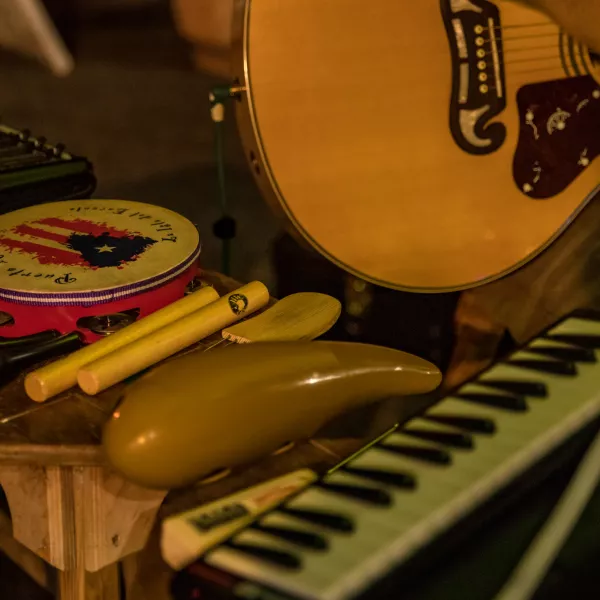
Puerto Rico has many traditional instruments, like palitos, güiros, and panderetas, that are often used with all types of music, like Plena, Salsa, and others.
The History and Evolution of Dance Types in Puerto Rico
Music and culture are at the heart of the Boricua identity.
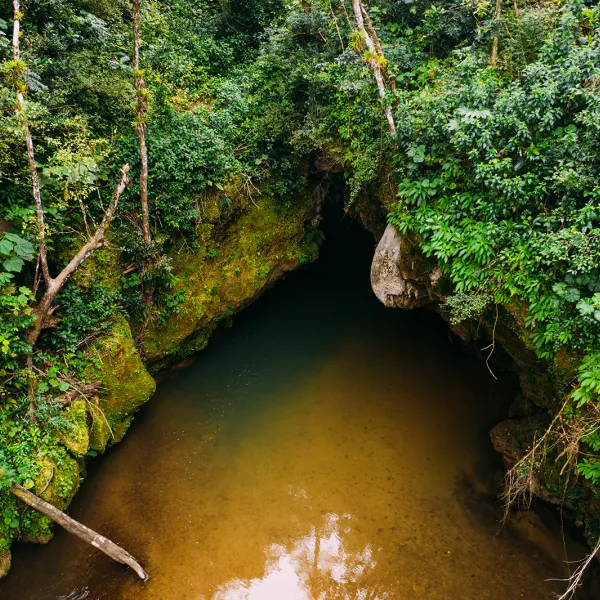
Take on the adventure and explore the Island's caves.
Exploring the Best Caves in Puerto Rico
Get off the beaten path on an underground adventure.
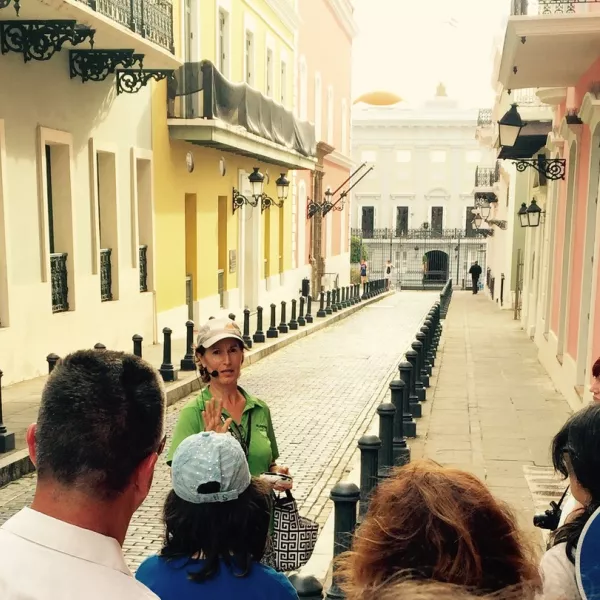
Flavors of San Juan walking Tour in Old San Juan.
Five Walking Tour Options in Puerto Rico
Stretch your legs and enjoy the Island by foot.
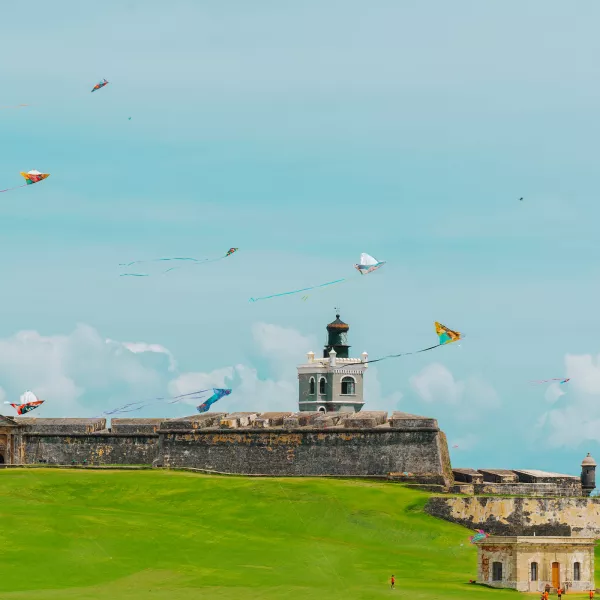
View from El Morro in Old San Juan.
Memorable Historic Sites in Puerto Rico
The top places where you can experience the history of the Island.
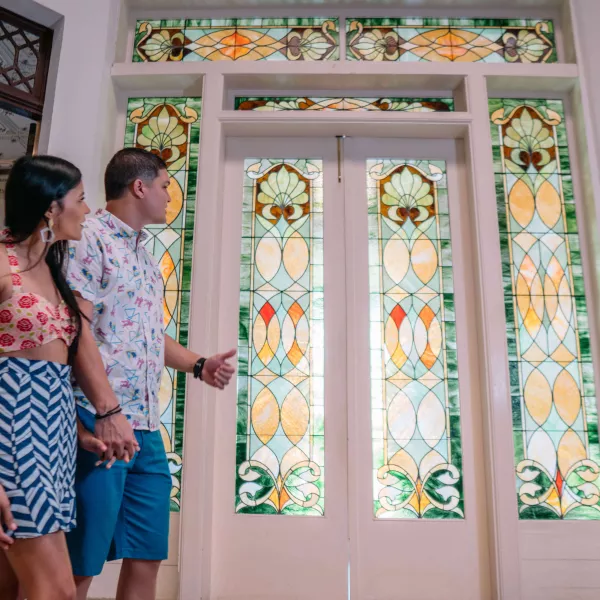
Admire architect Blass Silva Boucher's neoclassical and Mudéjar style at the Museo de la History in Ponce.
Top 5 History Museums in Puerto Rico
Take a journey through moments that defined the island’s culture and society.
Whether by the shade of trees or a cabana, Puerto Rico's beaches are the perfect place to relax.
4 Reasons to Plan a Vacation to Puerto Rico
If “unforgettable” is how you want to describe your vacation, Puerto Rico should is your place.