Hear the bright notes of the cuatro, the rhythmic scratch of the güiro, and the steady beat of panderetas as Boricuas fill the night with the joyful sounds of parrandas.
Feel your mouth water as the smoky aroma of slow-roasted lechón reaches you, then watch plazas sparkle beneath hundreds of colorful lights, filling historic streets with the warmth of the season. That is Christmas in Puerto Rico.
The Island celebrates one of the longest holiday seasons in the Western Hemisphere. For nearly 45 days, from Thanksgiving through mid-January, music, family gatherings, and treasured traditions bring every corner to life, culminating with the vibrant Fiestas de la Calle San Sebastián (la SanSe).
Discover the holidays and traditions in Puerto Rico that make Christmas on the Island a celebration unlike anywhere else.
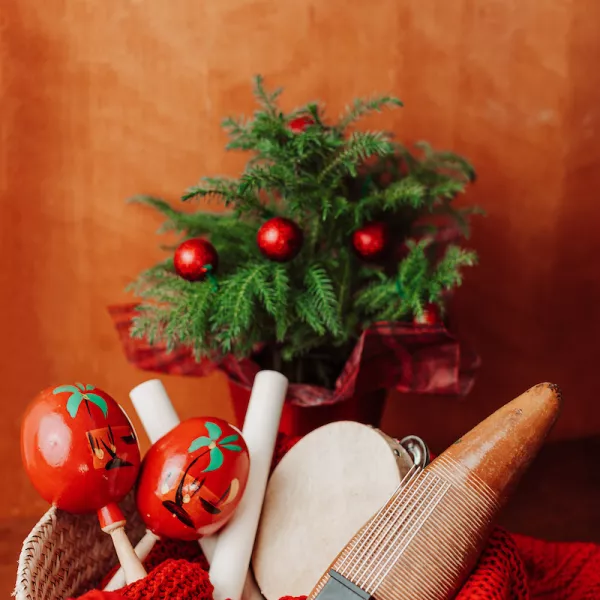
A good parranda kit needs panderetas, güiro, palitos, maracas and tamboriles.
Puerto Rico's Holiday Season at a Glance
- Begins: Right after Thanksgiving in late November
- Ends: Mid-January with the Fiestas de la Calle San Sebastián (la SanSe)
- Traditions to know: Parrandas, Nochebuena, Three Kings Day (Día de Reyes), Octavitas, and la SanSe
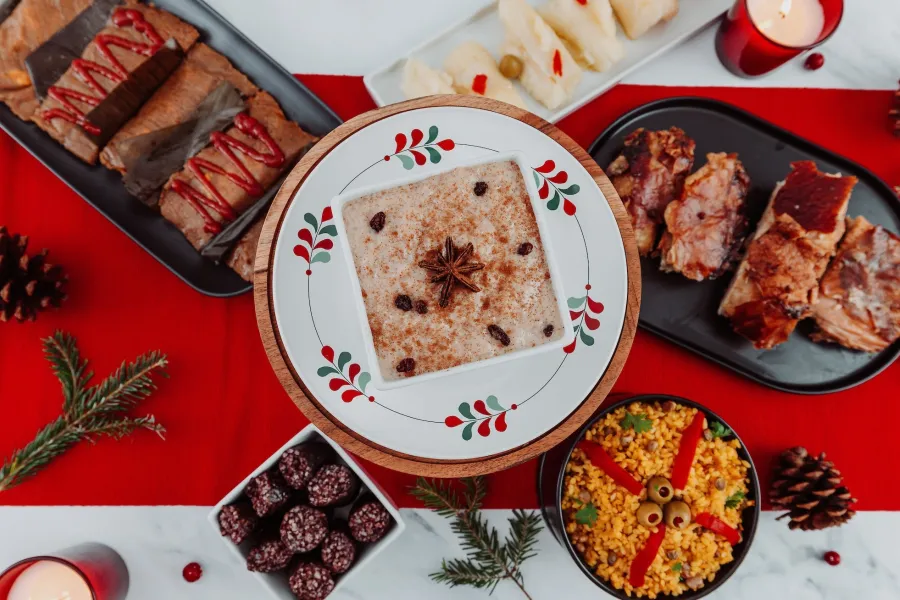
- Foods to try: Lechón, pasteles, arroz con gandules, coquito, tembleque, and arroz con dulce
- Where to celebrate: Stroll the decorated streets of Old San Juan, experience family-friendly festivities in Caguas, or savor Puerto Rico's famous holiday lechón along La Ruta del Lechón in Cayey.
- Planning Tip: Check hours and make reservations in advance, as many attractions, restaurants, and local businesses operate on limited holiday hours or close on Christmas Eve, Christmas Day, New Year's Day, and Three Kings Day.
- Local Tip: Try the arroz con dulce that is widely available during this time!
Christmas Holidays and Celebrations in Puerto Rico
Christmas in Puerto Rico isn't just one day—it's a season filled with celebrations that bring families, friends, and entire communities together. Here's how the holiday season unfolds across the Island.
Thanksgiving
When: Fourth Thursday of November
For many Puerto Rican families, Thanksgiving marks the unofficial start of la Navidad in Puerto Rico. As soon as the turkey is cleared from the table, Christmas decorations go up, holiday music turns on, and plans for all the upcoming celebrations begin.
Puerto Rico is a Top Holiday Destination
Nochebuena (Christmas Eve)
When: December 24
If there's one holiday you shouldn't miss, it's Nochebuena. For many Boricuas, Christmas Eve is the biggest celebration of the season. Tables fill with lechón, pasteles, arroz con gandules, and coquito, while families gather late into the night to eat, sing, exchange gifts, or even head out on a parranda (lively Christmas caroling).
Spend the evening admiring the lights around town or savoring a traditional holiday dinner at a local restaurant. You can also attend Misa de Gallo, a traditional midnight Mass that celebrates the birth of Jesus.
Navidad (Christmas Day)
When: December 25
Christmas Day in Puerto Rico is a chance to enjoy the many coasts of the Island, linger over a festive meal, and keep the holiday spirit going.
While many museums and cultural attractions are closed on December 25, plan your day around outdoor activities and confirm dining reservations in local spots. Plan a beach morning followed by a delicious lunch of lechón and arroz con gandules at any lechonera.
See What's Open During the Holidays
Nochevieja (New Year's Eve)
When: December 31
A midnight toast, music in the air, and wishes for the year ahead; welcome the year with a little Boricua jolgorio (a celebration)! There are so many parties and events to choose from, so make sure to book ahead of time a festive dinner, find a celebration with live music, or welcome midnight with an ocean view.
Join in the local traditions meant to invite good luck in the new year:
- Sweep in the new year: Cleaning the house symbolizes beginning the year with renewed energy.
- Splash out the bad luck: Some people toss water outside to symbolically throw out bad luck.
- Twelve grapes, twelve wishes: Eating 12 grapes at midnight is a Spanish-rooted custom associated with good fortune for the coming year.
Find Things to do in Puerto Rico on New Year's Eve
Día de Reyes (Three Kings Day)
Puerto Rico celebrates Día de Reyes, or Epiphany, on January 6, honoring the Three Wise Men who visited Jesus after he was born. In Puerto Rican tradition, the reyes arrive on horses. The night before, the children leave shoeboxes filled with grass beneath their beds or near the Christmas tree for the horses, with gifts waiting by morning.
Learn More about Three Kings Day Traditions in Puerto Rico
Octavitas
When: January 7-14
The 8 days after Día de Reyes are known in Puerto Rico as las octavitas, an extension of Christmas where people keep the celebrations going with festivals, events, and parrandas. Originally, the octavitas were religious celebrations honoring the Three Kings and Jesus with songs. It usually ends with las Fiestas de la Calle San Sebastián, popularly known as la SanSe.
What is a Puerto Rican Parranda
Fiestas de la Calle San Sebastián (La SanSe)
When: January, festival dates vary each year
Follow the music into Old San Juan for la SanSe, the celebration widely considered the unofficial close of Puerto Rico's holiday season. Plazas become stages, dancing spills into the streets, and artisans display their handmade creations. Start the day browsing the markets and museums, and catch the cabezudos, parade characters with oversized heads. And stay for the live performances as the evening brings more music to the historic city.
How Puerto Ricans Celebrate Christmas
Christmas in Puerto Rico is all about joy, tradition, and community. Puerto Rican Christmas traditions come alive with parrandas, merry music, and festive Nochebuena gatherings.. The Island’s vibrant Christmas décor, delicious holiday food like coquitos, and lively events make this season unforgettable. From Christmas Eve to Three Kings Day, and even through Octavitas and New Year’s Eve rituals, Christmas traditions in Puerto Rico are a must-experience!
A good parranda kit needs panderetas, güiro, palitos, maracas and tamboriles.
Puerto Rico's Christmas Parrandas
A parranda or trulla is the boricua version of a Christmas Carol. Friends and families gather in front of a house – usually after 10:00 p.m. – with instruments like panderos, maracas, güiros, cuatros, and guitars to sing aguinaldos (traditional Christmas songs).
The idea is to surprise the household, so the parranderos round up as quietly as possible and then break into song with the intention of waking people up with joyful and jubilant music. It is a tradition for the household to offer refreshments and then join the group to bring the party to the next house. The last home is the longest stay and where the party usually ends when the sun rises.
Classic Puerto Rican Christmas Songs
Boricuas don’t fa la la la la — they le lo lai during Christmas time! Music is a key aspect of Navidad, and there are many beloved styles heard around the Island throughout the season. The most popular include:
- Aguinaldos – Folk-style songs (meaning “gift”) that can have secular or religious themes.
- Villancicos – Religious Christmas tunes featuring Catholic figures, derived from Spanish traditions.
- Trovas – The art of song improvisation that originated with jíbaros (Puerto Rican farmers) who created spontaneous verses; trovadores still perform these live today.
- Bomba and Plena – Afro-Puerto Rican musical styles that are also commonly sung and danced to during the festive season.
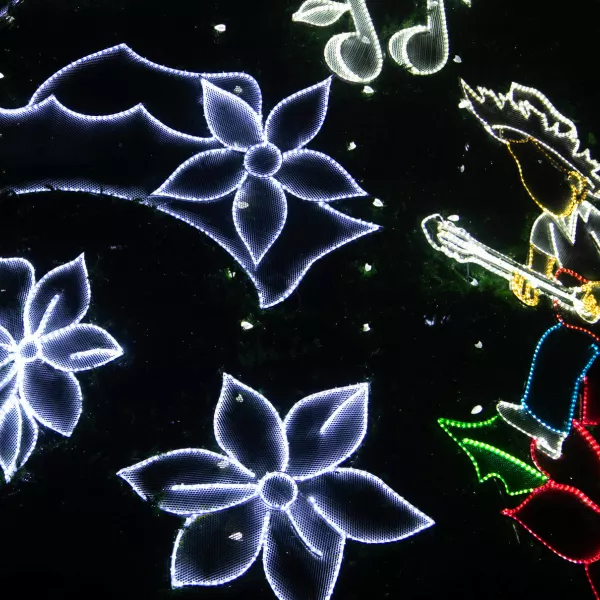
Puerto Ricans decorate their homes with a festive and joyful atmosphere.
Christmas Décor
In Puerto Rico, the holiday spirit shows up early and stays late. Most families decorate right after Thanksgiving and keep the lights glowing well into January, filling the Island with festive warmth. Town squares sparkle with Santas, snowflakes, and cheerful jibarito figures, turning every corner into a tropical winter wonderland.
At home, Christmas trees shine with a mix of classic ornaments and local touches — little cuatros, coquí frogs, straw hats, and Puerto Rican flags that celebrate the Island’s culture. Many families also set up belenes, beautiful nativity scenes that range from simple tabletop displays to elaborate recreations complete with moss, palm trees, and tiny houses.
Each decoration tells a story of tradition and pride, making every home glow with that unmistakable Boricua Christmas spirit.
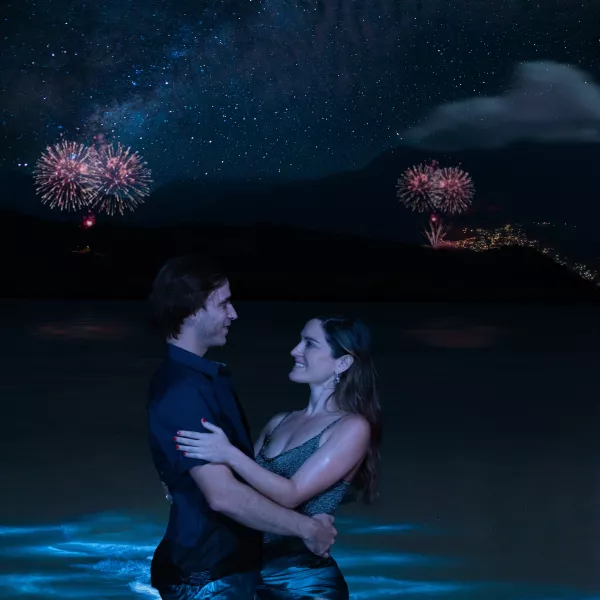
A popular New Year's ritual is dropping backwards into the waves as the clock strikes 12 to keep the bad spirits at bay.
New Year's Eve Traditions
Partake in some of the most common rituals to welcome the Año Nuevo (New Year) like a Boricua:
- Clean the house – Puerto Ricans believe that starting the year in a clean home sets the tone for a positive year ahead.
- Throw buckets of water – In some parts of the Island, people toss water out of their windows to drive away evil spirits.
- Jump into the waves – If celebrating near the beach, it’s common to jump backwards into the ocean at midnight to ward off bad spirits.
- Eat 12 grapes – This Spanish-origin tradition involves eating one grape for each of the last 12 seconds of the year, finishing all twelve by the stroke of midnight.
These rituals combine fun, faith, and superstition, giving Puerto Rican New Year celebrations a unique and lively spirit.
Savor the Flavors of Puerto Rican Christmas Cuisine
A Puerto Rican Christmas feast is a celebration of rich, flavorful dishes that bring family and friends together. The traditional menu features savory mains, hearty sides, and sweet desserts, all accompanied by festive drinks that make the holiday season unforgettable. These cherished recipes reflect the Island’s vibrant culture and culinary heritage.
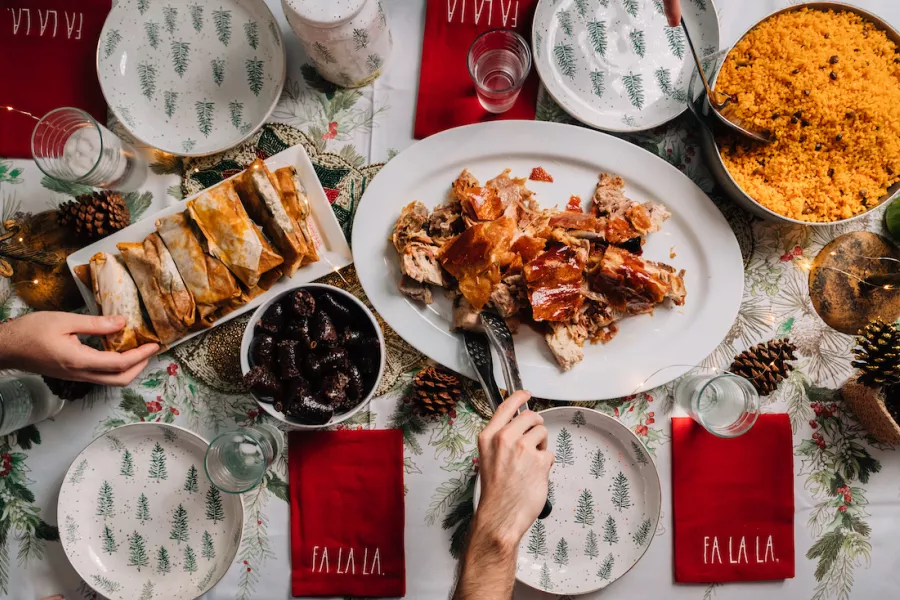
The holiday menu in Puerto Rico includes local favorites like pernil, arroz con gandules, pasteles, tembleque, and arroz con dulce.
Traditional Dishes
The classic holiday menu consists of arroz con gandules (rice with pigeon peas), lechón asado (spit-roasted pork), and pasteles (tamale-like patties of green banana and meat). Side dishes might include potato salad, pasta salad, or morcilla (rice-stuffed blood sausages). The traditional Christmas dessert is tembleque, a coconut-based pudding topped with cinnamon.
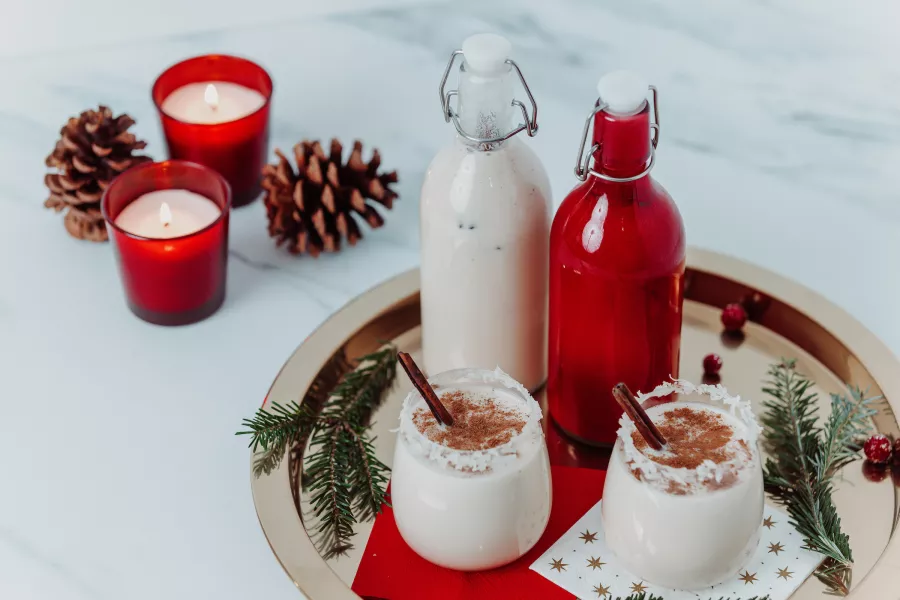
Coquito is a coconut-based thick drink usually served during the Holiday season.
Coquito
Instead of eggnog, Puerto Rico has coquito a thick, creamy holiday drink made primarily with coconut milk, sweetened condensed milk, evaporated milk, rum, and spices. It is usually served chilled in shot glasses to beat the heat of the warm winter days. ¡Salud!
Plan Your Holidays Getaway to Puerto Rico
Celebrate Christmas in Puerto Rico with parrandas, Nochebuena feasts, and Three Kings Day. Enjoy festive traditions, delicious food, and warm weather. Plan your holiday getaway now!
Puerto Rican Christmas FAQs
How does Puerto Rico celebrate Christmas?
Christmas in Puerto Rico is a vibrant celebration of music, food, and family. Puerto Rican Christmas traditions include lively parrandas, festive Nochebuena feasts, and Three Kings Day. The season also features Octavitas, New Year’s Eve rituals, and delicious dishes like lechón and pasteles, with coquito as a seasonal favorite. It’s a time for community and unforgettable traditions.
What is Three Kings Day in Puerto Rico?
Three Kings Day in Puerto Rico, or Día de Reyes, is a lively celebration on January 6th honoring the three wise men. It includes parades, music, and festivities. Children place grass or hay under their beds for the kings' camels, hoping for gifts. This tradition marks the grand finale of the Puerto Rican Christmas season, extending the holiday joy.
What is a traditional Christmas dish in Puerto Rico?
A traditional Christmas dish in Puerto Rico is lechón asado, or spit-roasted pork. It’s often served alongside arroz con gandules (rice with pigeon peas) and pasteles, tamale-like patties made of green banana and meat. These dishes are staples at Puerto Rican Christmas feasts, reflecting the island’s rich culinary traditions and festive spirit.
How is Puerto Rico Christmas different from the US?
Christmas in Puerto Rico is unique with traditions like parrandas (caroling), Nochebuena feasts, and Three Kings Day, which aren’t as common in the U.S. The holiday season lasts longer, often until Jan. 6, with festive foods like lechón, pasteles, and coquito. The celebrations are deeply rooted in Puerto Rican culture, making Christmas on the island a vibrant, extended affair.
What do Puerto Rican children put under their beds on Three Kings Day?
On Three Kings Day, Puerto Rican children place grass or hay under their beds for the camels of the three wise men. In exchange, they hope to receive small gifts, much like the tradition of Santa Claus in other cultures. This custom adds to the excitement and magic of the holiday season.
What is the difference between Nochevieja and Año Nuevo?
In Puerto Rican Christmas, Nochevieja refers to New Year's Eve, the night of December 31st, when people gather to celebrate the end of the old year with family, music, food, and fireworks. It's a lively occasion filled with unique New Year’s Eve rituals. Año Nuevo, on the other hand, is New Year's Day, January 1st, which is a more relaxed day for resting and spending time with family after the previous night's celebrations.
Comment Guidelines
We value your thoughts and want to foster a respectful and engaged community. As such, we ask that you adhere to the following guidelines when posting comments
- Please ensure your opinions are expressed respectfully.
- We won’t remove comments that engage in courteous debate but hate speech or any form of profanity will not be tolerated. This also applies to the inappropriate use of emojis or hashtags.
- Do not downvote or dislike a comment simply because you disagree with another person’s views.
- Self-promotion and external links are not allowed and will be removed.
- Avoid sharing private information about yourself or others. Doxing (the act of leaking personal information with harmful intent) is strictly prohibited and will result in a ban.
- Comments that are off-topic will be deleted.
Paradise for Your Inbox
Get travel inspiration, news, tips and more delivered monthly.
Recommended Articles
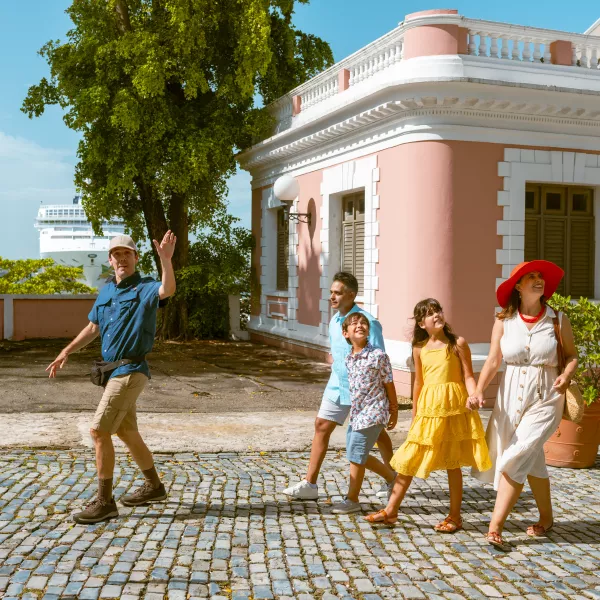
Top Tours During Holiday Season in Puerto Rico
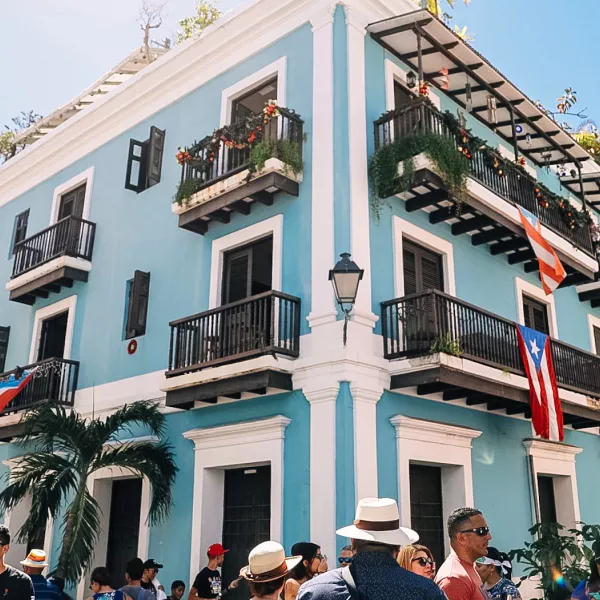
Puerto Rico Holiday Traveler’s Guide: A Navidad Starter Pack
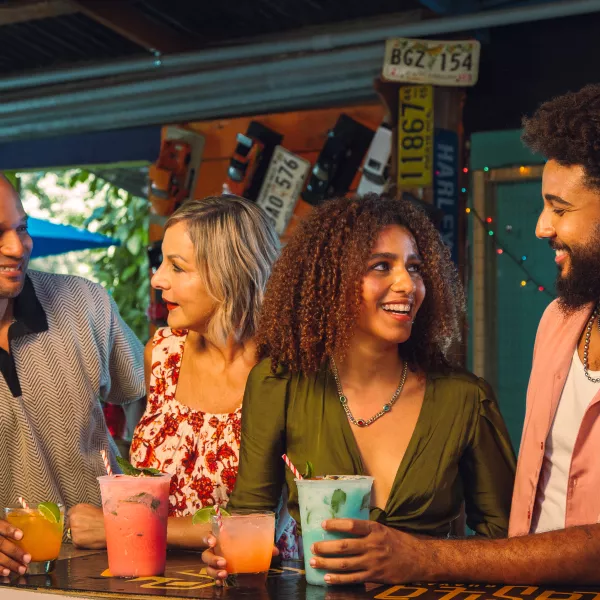
Guide to What’s Open in Puerto Rico During the Holidays
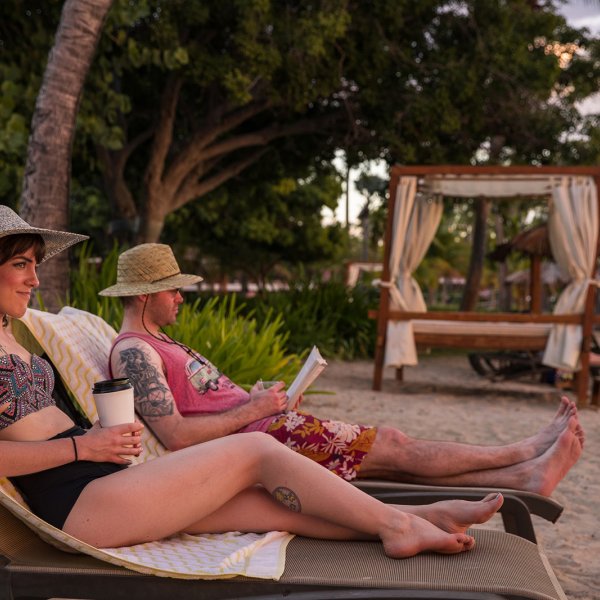
Whether by the shade of trees or a cabana, Puerto Rico's beaches are the perfect place to relax.
4 Reasons to Plan a Vacation to Puerto Rico
If “unforgettable” is how you want to describe your vacation, Puerto Rico should is your place.
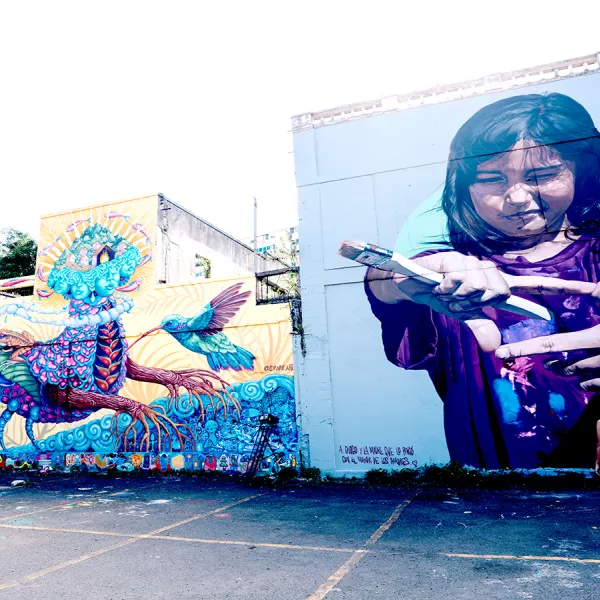
Winter Escape: Off-The-Beaten-Path in Puerto Rico for 5 Days
There's a good reason why Puerto Rico's popularity as a destination spikes during the winter.
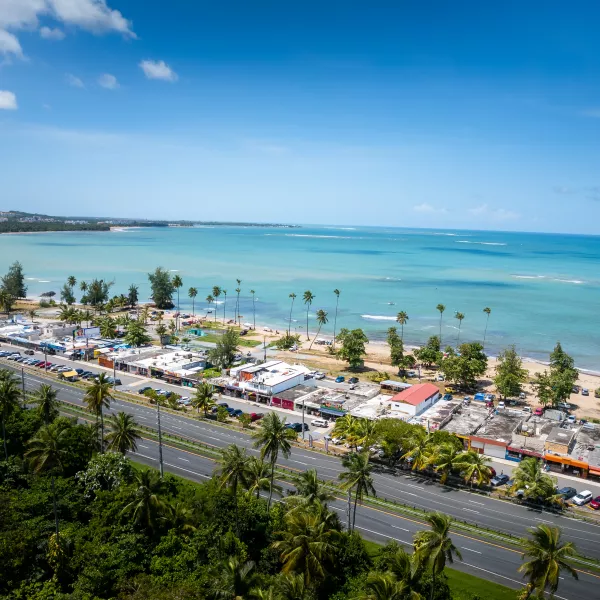
The Luquillo Kiosks are a must-visit destination for local food and stunning ocean views.
6 Days of Culinary Adventures in Puerto Rico
Get to know the Island through its cuisine.
FAQ's About Holidays in Puerto Rico
How to book all-inclusive holiday packages to Puerto Rico?
Puerto Rico has all-inclusive holiday packages in hotels like La Concha in Condado, Copamarina Beach Resort in Guánica that you can book directly with them.
Top rated holiday resorts
Some top