
Heaping portions of crispy, garlicky, fried plantains; slow-roasted, succulent pork; savory rice and beans chased with a cold local beer or fruity rum cocktail, and that's just your first meal.
Having the opportunity to enjoy authentic Puerto Rican food is a highlight of many visitors' experiences. The vibrancy of Puerto Rican culture comes alive in its dishes, a celebration of flavors that visitors have the opportunity to indulge in, especially during any of the available food tours. Some of the favorites are mofongo, tostones, pasteles, arroz con gandules, tembleque, and coquito.
Here is a guide to some of the dishes that you shouldn't miss out on:
Puerto Rican Bites: From Tostones to Bacalaítos
Puerto Rican cuisine offers a variety of delicious dishes that highlight the Island’s unique flavors. Tostones (crispy fried plantains) and amarillos (sweet fried plantains) are popular choices, along with frituras like empanadas and bacalaítos (fried codfish fritters). These traditional Puerto Rican recipes provide a perfect introduction to the Island’s rich food culture and are must-try dishes for anyone exploring traditional Puerto Rican food.
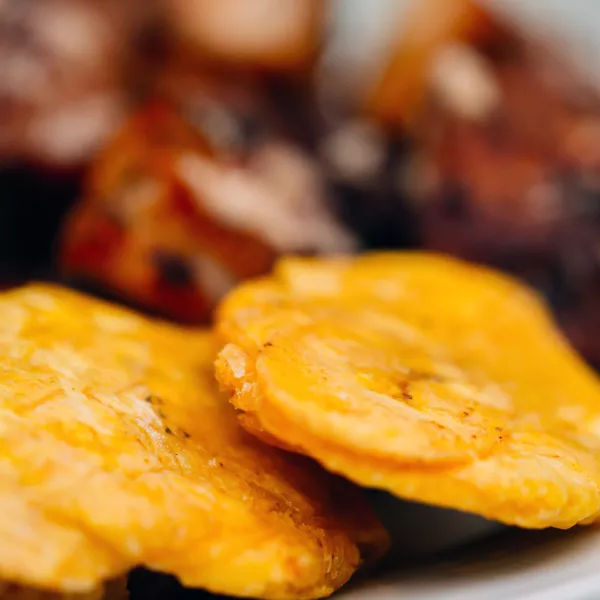
Plantains can be sweet or savory, depending on the ripness.
Tostones and amarillos
These are two traditional ways to prepare plantains. Tostones are made from green plantain, which is savory. The plantain is cut into thick wheels marinated in water and garlic, then deep-fried in oil to soften, smashed, and deep-fried again until crispy. Amarillos, on the other hand, are ripe plantains cut into pieces and fried until the outside is almost blackened, and the inside is soft and sweet.
If you really want to taste them the way we do on the Island, there are a few places you shouldn’t miss. Bebo’s Café in Loíza (San Juan) offers good portions, great flavor, and you’ll always find plantains on the menu. In Carolina, stop by El Tostón Criollo because their criolla dishes really let the plantains shine. And if you’re heading south, El Barril de la Mulata in Ponce is a solid stop; their plates almost always come with crispy tostones or sweet amarillos, so you can taste how each town puts its own twist on these classics.
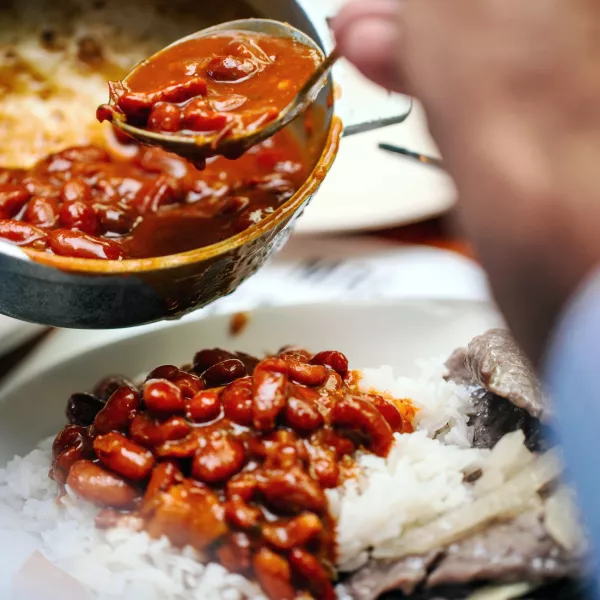
Arroz y habicuelas are the staple side dish in Puerto Rico.
Arroz y habichuelas
Rice and beans are the quintessential Puerto Rican side dish. Pink beans are stewed with onions, peppers, garlic, ham hock, calabaza squash, and sofrito — a cooking base made by blending onion, garlic, peppers, culantro, cilantro, and oregano (as well as other herbs, spices, and aromatics depending on the family recipe).
White, medium-grain rice is cooked separately from the beans and seasoned with olive oil and salt. The two are served next to each other so you can choose how much beans to add to the rice.
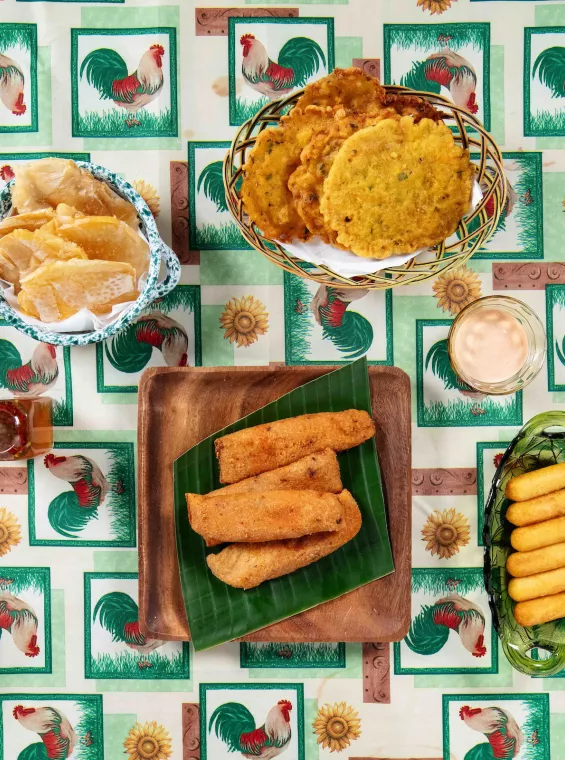
Fritters are found throughout the Island, most commonly in open-air restaurants.
Frituras
Frituras are deep-fried treats commonly found in open-air, beachside restaurants that pair beautifully with a cold beer. These are usually stuffed with ground beef, crab meat, chicken, fish, octopus, conch, or other seafood types. There are a variety of different fritters you will find in Puerto Rico, and are a staple of street food served at the different festivals that take place in the Island throughout the year. If ypu want to taste them where locals go, head to Luquillo Kiosks, a lively strip of family-owned spots serving everything from bacalaítos to alcapurrias just steps from the beach. On the east coast, El Malecón de Naguabo is another must, known for its ocean views and wide selection of fritters.
Alcapurrias are torpedo-shaped fritters made from shredded root vegetables like yuca and yautía, stuffed with a choice of meat. These deep-fried snacks are normally found in open-air, beachside restaurants that pair beautifully with a cold beer. Alcapurrias are usually stuffed with ground beef, crab meat, chicken, fish, octopus, conch, or other types of seafood.
Empanadillas are a larger version of pastelillos, also stuffed with a choice of meat and fried. There’s also a popular pizza version filled with melted mozzarella cheese and marinara sauce.
Arepas are flour-based, sometimes made with coconut for a slightly sweet flavor, fried and then stuffed, usually with seafood. Locals often eat them by themselves as appetizers.
Bacalaítos are a simple batter of flour and water with chunks of salted cod and parsley, deep-fried into what look like giant corn flakes.
Puerto Rican Cuisine Main Dishes
Puerto Rican food is all about bold flavors and comforting, familiar dishes that instantly feel like home. When we Boricuas think about the meals we grew up with, mofongo is always the first thing that comes to mind—those mashed, garlicky plantains mixed with crunchy chicharrón hit every time. Then there’s lechón asado, the slow-roasted pork that you’ll find at almost every big celebration on the Island. And of course, no holiday or family gathering is complete without arroz con gandules, our signature rice with pigeon peas cooked in rich, fragrant sofrito.
These dishes aren’t just food to us—they’re part of our shared traditions, the ones that bring people together. If you want a true taste of Puerto Rico, these are the flavors that define the Island’s culinary heart.
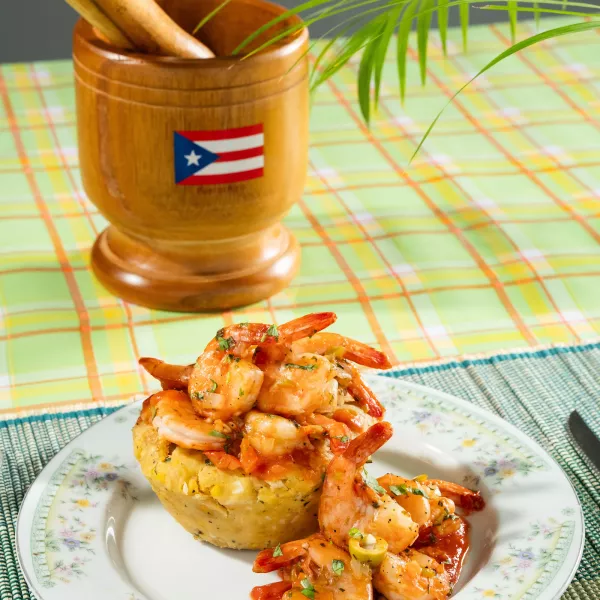
Savor traditional mofongo.
Mofongo
Puerto Rican comfort food at its finest...
Mofongo is traditionally made from deep-fried green plantain pieces mashed with garlic and either salt-cured pork, pork crackling, butter, or oil. Some recipes use a salty broth to soften the plantains while mashing.
Mofongo can be served as a side dish or stuffed with any meat, such as stewed chicken, crab meat, octopus, skirt steak, fried pork, seafood, or stewed vegetables. Other variations of mofongo include yuca mofongo and trifongo, made with green plantain, sweet plantain, and yuca. To enjoy this iconic dish in a welcoming setting, Miramar House Latin Cuisine brings this and other flavors to life with authentic Puerto Rican dishes that feel both comforting and elevated, paired with craft cocktails and local beers.
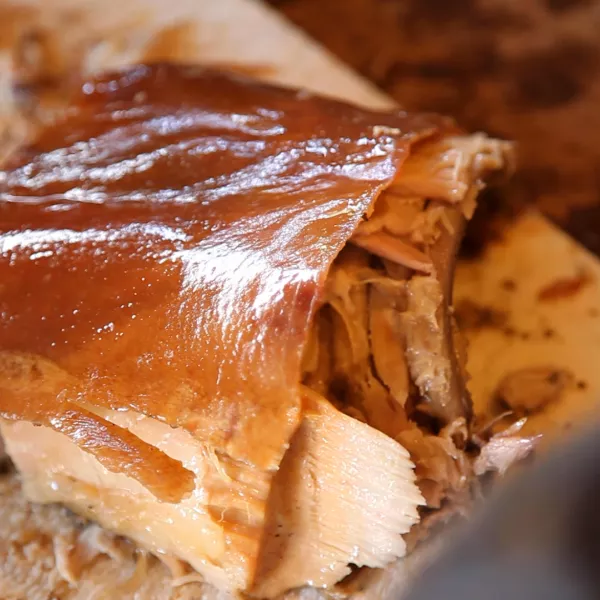
Plan a trip to Guavate to sample some of the best-roasted roasted pig in Puerto Rico.
Lechón asado
Lechón asado is a Puerto Rican culinary legacy! To prepare this delicacy, first, a whole pig (lechón) is marinated in adobo (a mix of garlic, oregano, black pepper, vinegar, and water) and then slowly roasted over coals for several hours until the meat is juicy and the skin crispy. To sample some of the best lechón in Puerto Rico, plan a day trip to Guavate, where the road headed up the mountains of Cayey is lined with lechoneras (pork restaurants) serving locally sourced pork. Another specialty pork dish is pernil, or pork shoulder, seasoned with adobo, and roasted in the oven.
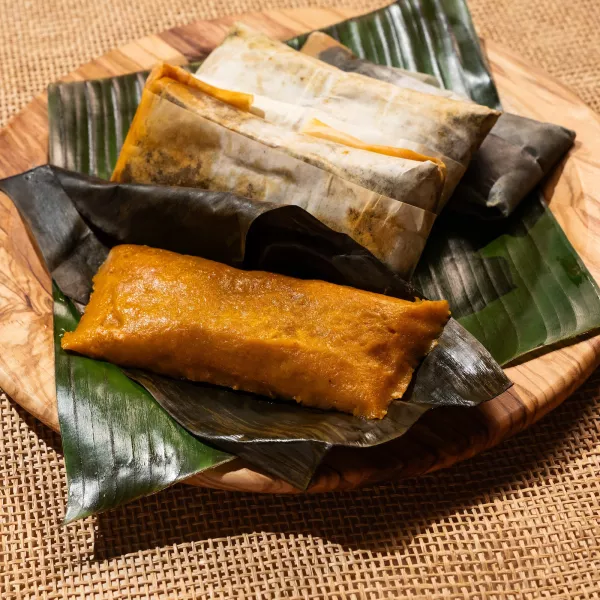
Puerto Rican pasteles.
Pasteles
A true local specialty, pasteles resemble tamales and are traditionally made with green banana masa stuffed with stewed pork meat. Sometimes yuca or other root vegetables are added; the masa can also be made with just yuca. Pasteles can also be stuffed with chicken or bacalao (salted cod), and some vegan versions have been introduced recently.
To form the pastel, masa is pressed onto a plantain leaf, the stuffing added in the center, and the plantain leaf is folded, tied with string and covered in parchment paper. The pasteles are then boiled, unwrapped, and served. To taste this dish, stop by La Alcapurria Quemá, where you can find authentic pasteles alongside other beloved Puerto Rican flavors.
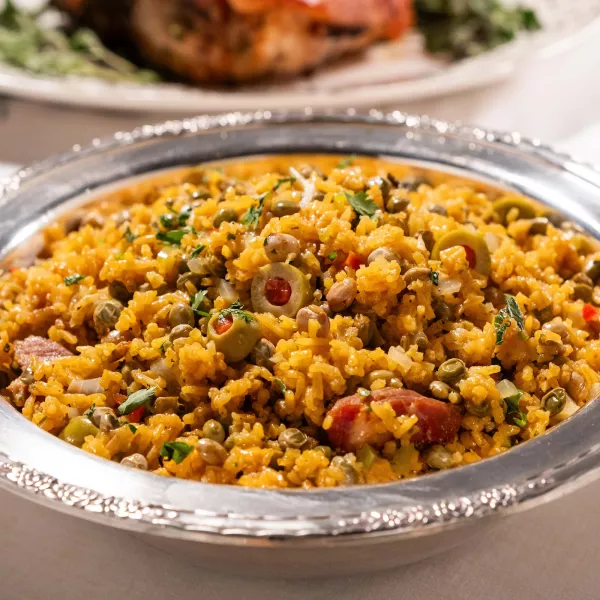
A Boricua favorite, arroz con gandules brings bold flavor to every bite.
Arroz con gandules
Considered a boricua staple, this signature Puerto Rican rice dish is consumed year-round. Pigeon peas, or gandules, are small, dense legumes cooked with the rice in a large pot. First, salted pork or ham hock is sautéed in olive oil. Sofrito is then added, along with bay leaves, tomato paste, annatto, and often olives or capers. The rice and pigeon peas are then coated with this sauce, water or broth is added, and everything is cooked together until the rice is done.
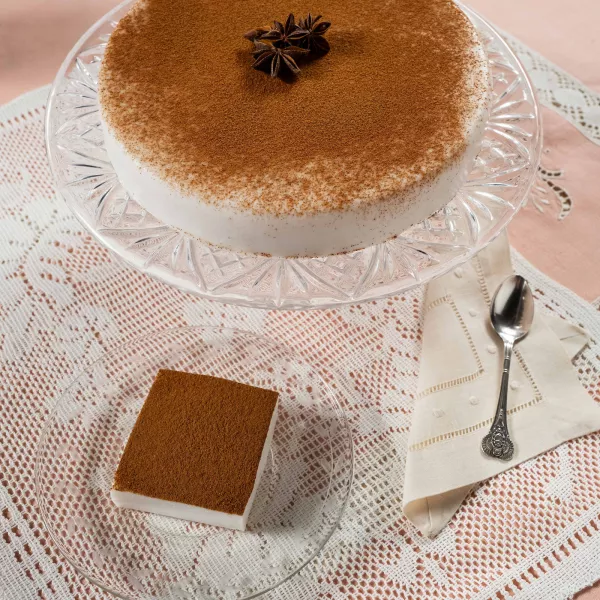
Smooth, sweet, and full of coconut flavor, tembleque is a classic Boricua treat.
Traditional Puerto Rican Desserts
The best part of the meal! Traditional seasonal desserts include tembleque, a silky coconut custard; and arroz con dulce, rice pudding with cinnamon and raisins. Other traditional desserts include flan, a vanilla custard cake; and casquitos de guayaba, guava paste paired with local white cheese.
There is also a version of eggnog called coquito, which is made with evaporated milk, condensed milk, coconut milk, cinnamon, and white rum. There are also flavored versions of coquito, including chocolate, pistachio, and guava. Drinking Coquito is also a typical Puerto Rican Christmas tradition.
Essential Ingredients in Puerto Rican Food
Puerto Rican cooking is rich in flavors, thanks to a variety of ingredients and spices that define its dishes. Sofrito, a blend of onions, peppers, garlic, and cilantro, is a base for many Puerto Rican dishes. Adobo and sazón, popular spice mixes, are used to season meats and vegetables, while plantains, rice, and beans are staples in traditional meals. Other common ingredients include yucca, yautía, and green bananas, with herbs like oregano and bay leaves adding depth to many dishes. These ingredients are key to the bold flavors of traditional Puerto Rican food.
In Puerto Rico, our fried snacks– or fritters– are well known all over the island. Get a taste of some of our favorites, like the cod-flavored bacalaítos and meat-stuffed alcapurrias, and other crunchy snacks that makeup Puerto Rico's culinary culture.
Plan Your Trip to Puerto Rico
Plan your trip to Puerto Rico and experience vibrant culture, stunning beaches, and unforgettable food. Savor authentic dishes and explore local culinary traditions.
Traditional Puerto Rican Food FAQs
What is Puerto Rico's national dish?
Puerto Rico’s national dish is arroz con gandules, often served with lechón asado. It’s a staple in Puerto Rican food, particularly during festive occasions and family gatherings, embodying traditional Puerto Rican cuisine.
What is typical Puerto Rican food?
Typical Puerto Rican food includes dishes like mofongo (mashed plantains), lechón asado (roast pork), arroz con gandules, and pasteles. These Puerto Rican dishes reflect the Island's rich culinary heritage and blend of Spanish, African, and Indigenous Taíno influences.
What is traditional Puerto Rican cuisine called?
Traditional Puerto Rican cuisine is known as cocina criolla. It’s a flavorful mix of Taíno, Spanish, and African influences, with dishes like mofongo, tostones, and arroz con gandules forming the heart of Puerto Rico food.
What are common side dishes in Puerto Rico?
Common side dishes in Puerto Rico include tostones (fried green plantains), amarillos (sweet fried plantains), ensalada de papa (potato salad), and morcilla (blood sausage). These side dishes complement the main Puerto Rican dishes and add variety to meals.
What do Puerto Ricans eat for appetizers?
Puerto Ricans often enjoy appetizers like bacalaítos (fried codfish fritters), alcapurrias (fried fritters filled with meat), and empanadas (filled turnovers). These Puerto Rican appetizers are popular street food and perfect for starting a meal or snacking on-the-go.
Comment Guidelines
We value your thoughts and want to foster a respectful and engaged community. As such, we ask that you adhere to the following guidelines when posting comments
- Please ensure your opinions are expressed respectfully.
- We won’t remove comments that engage in courteous debate but hate speech or any form of profanity will not be tolerated. This also applies to the inappropriate use of emojis or hashtags.
- Do not downvote or dislike a comment simply because you disagree with another person’s views.
- Self-promotion and external links are not allowed and will be removed.
- Avoid sharing private information about yourself or others. Doxing (the act of leaking personal information with harmful intent) is strictly prohibited and will result in a ban.
- Comments that are off-topic will be deleted.
Get Inspired
Paradise for Your Inbox
Get travel inspiration, news, tips and more delivered monthly.