Reggaetón is one of Puerto Rico’s biggest gifts to the world. You hear it in clubs, cars, beaches, and parties across the Island. More than music, reggaetón is a cultural immersion with its own language worth learning. From perreo (a popular dance style) to hasta abajo (all the way down), these phrases tell you how to move, feel the beat, and connect with Boricua culture. Learning the slang helps you enjoy the songs even more and feel closer to life on the Island.
This guide breaks down the most common reggaetón words and their meanings, how they’ve influenced artists and fans around the world, and where you can experience the sound when you visit the Island.
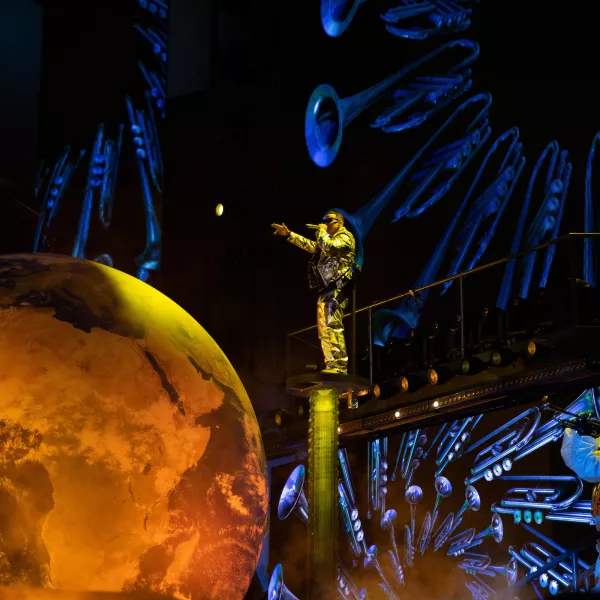
Daddy Yankee is one of the most well-known artists, with a career spanning over three decades and multiple chart-topping hits.
Reggaetón Artists Who Popularized the Slang
Puerto Rican artists helped reggaetón —and its slang— travel around the world. Daddy Yankee brought the sound to the mainstream with hits that filled dance floors everywhere, Tego Calderón used many local words in his lyrics, and Ivy Queen showed that women have a strong and powerful voice in reggaetón.
Today, artists like Bad Bunny, Young Miko, Nicky Jam, and Ozuna keep the language and the sound alive. Their lyrics mix street talk, humor, and emotion. Almost every song includes Boricua words that spark curiosity and give you a look into our culture.
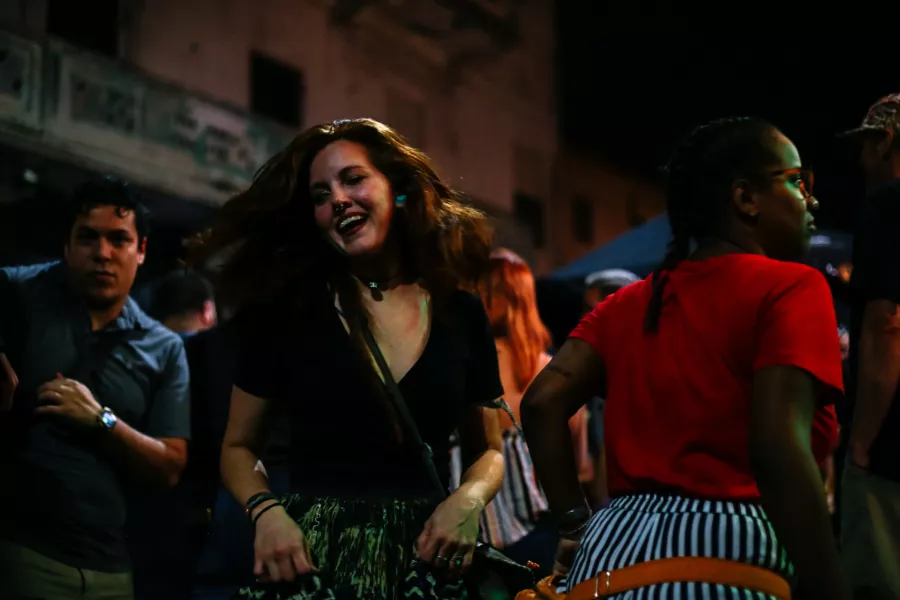
Every day, the Island moves with the rhythm of music.
Reggaetón Words You Should Know
Here’s a quick glossary of words you’ll hear often in reggaetón songs:
- Dembow - A fast, catchy beat that makes you move right away. It also names a dance style and a vibe you feel deep. When dembow plays, standing still is not an option.
- Hasta abajo - This means “all the way down.” You’ll hear it shouted when it’s time to drop low while dancing.
- Corillo - Your crew; your people. A corillo is the group you go out to concerts, parties, and late-night food stops after dancing.
- Tiraera - A lyrical diss. In reggaetón, artists use tiraeras to call each other out through clever, sharp lyrics.
- A fuego - Something amazing or exciting. A song, a party, or a night out can be a fuego.
- Al garete - Wild and out of control —in a fun way! If a party is al garete, expect nonstop dancing.
- Gato / Gata - A cool, confident, and good-looking guy (gato) or girl (gata) or someone you have a casual relationship with. In reggaetón lyrics, it often describes someone stylish and attractive.
- Pichear / Pichaera - To ignore someone or something. Pichear is the action, while pichaera is the attitude. If someone doesn’t text back, they might be picheando.
- Fantasmeo - When someone disappears without a word, like a ghost, or as urban English calls it, ghosting.
- Dura / Duro - Strong, impressive, or next-level. Calling someone or something dura or duro means they stand out or it’s really good.
- Flow - Your style and confidence. In reggaetón, it’sis how you move, dress, and carry yourself. Everyone has their own flow.
- La Calle - Literally “the street,” but it means real life and real experience. La calle gives reggaetón its edge and honesty.
- Puesto Pa’ - Ready for something.
- Romper - To crush it. A song that rompe is a hit that takes over speakers and dance floors.
- Mami / Papi - Friendly, playful terms used by Boricuas in songs and conversation. They can mean baby, love, or just someone you’re talking to with warmth.
Feel the bass, but know also the story. Discover the story, style, and evolution of reggaetón in Puerto Rico.
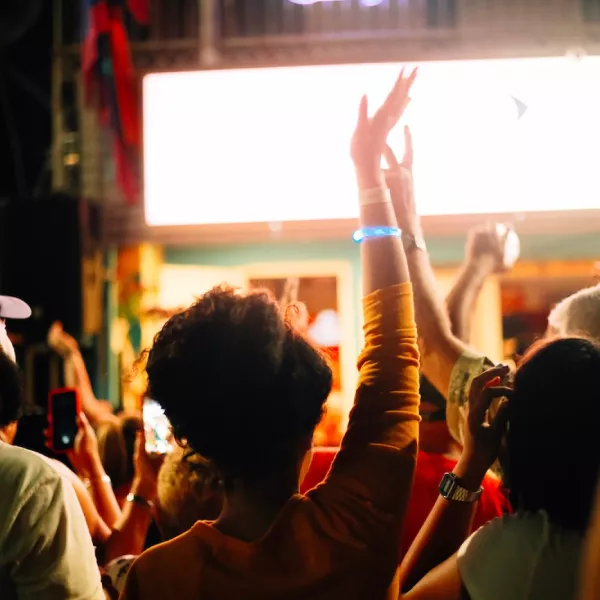
Puerto Rican culture is shared through music and togetherness.
Experience Reggaetón Firsthand
Now that you know the words, it’s time to feel them. In San Juan, music fills clubs, bars, and streets after dark. In places like Fifty Eight, Club Brava, Papi Joe, Varra Arriva, and El Cafetín, DJs play hit songs, crowds sing along, and dance floors stay packed. Beyond the capital, reggaetón keeps moving in places like Pasapalos, MalaBar, La Vergüenza Bar, and Sambvka Bar in Caguas, while El Mercado de Ponce transforms into a vibrant open-air dance scene as the sun sets. From big concerts to local neighborhood spots, reggaetón lives everywhere on the Island. Dance, sing, and let the rhythm —that made this music and its language popular— guide you.
Want to keep the party going? Explore our Trip Planner for ideas on reggaetón experiences, nightlife, events, and cultural spots across Puerto Rico. Come dance on the Island!
Recommended Articles
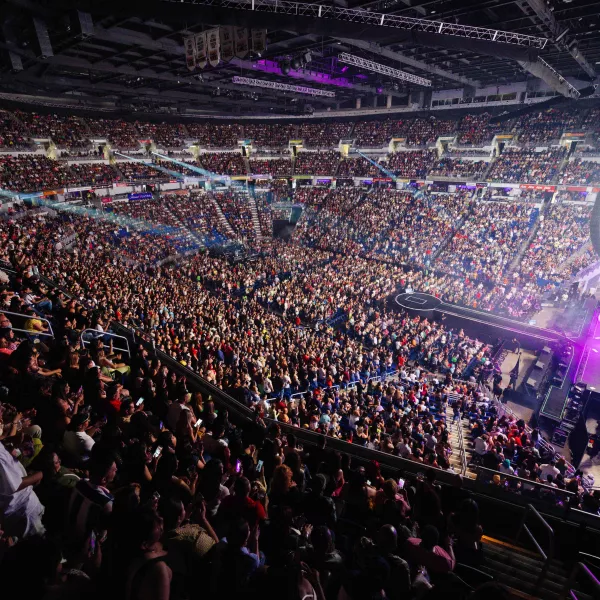
Don't miss all the jaw-dropping events happening at Coliseo de Puerto Rico José Miguel Agrelot.
Guide to Rock & Pop Music in Puerto Rico
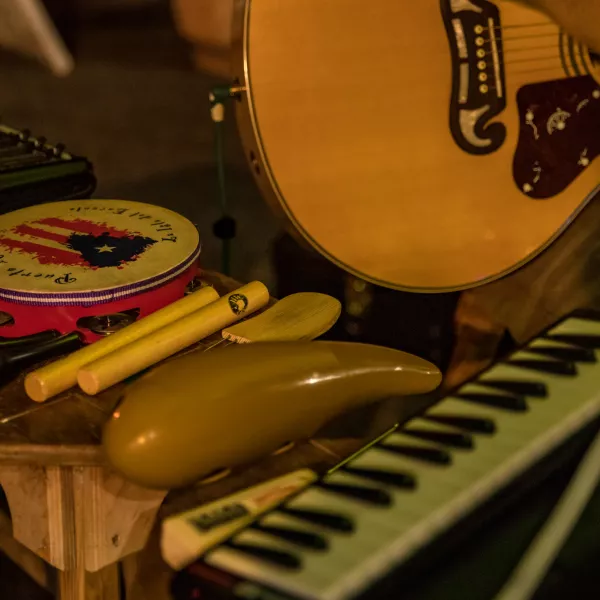
Puerto Rico has many traditional instruments, like palitos, güiros, and panderetas, that are often used with all types of music, like Plena, Salsa, and others.
The History and Evolution of Dance Types in Puerto Rico
Music and culture are at the heart of the Boricua identity.
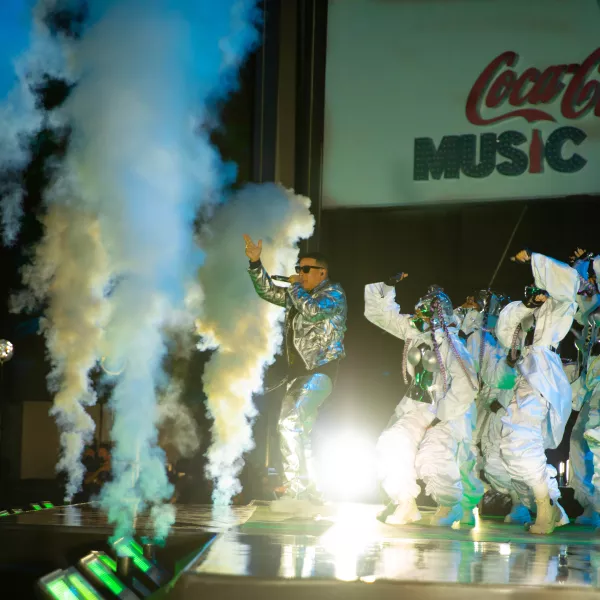
Daddy Yankee is not only a reggaetón titan but one of Puerto Rico's most well-known artists!
Most Influential Artists of Puerto Rican Music and Dance
With so many talented artists, the Island is pulsing with rhythm.
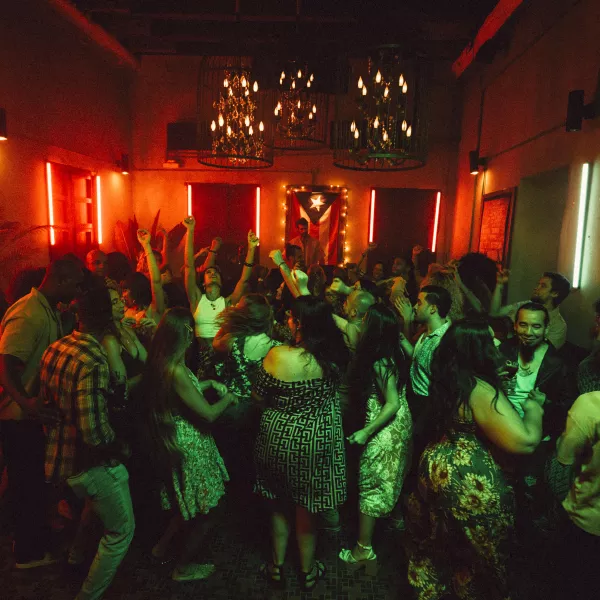
Top Annual Dance Events in Puerto Rico
Get ready to dance the days and nights away.
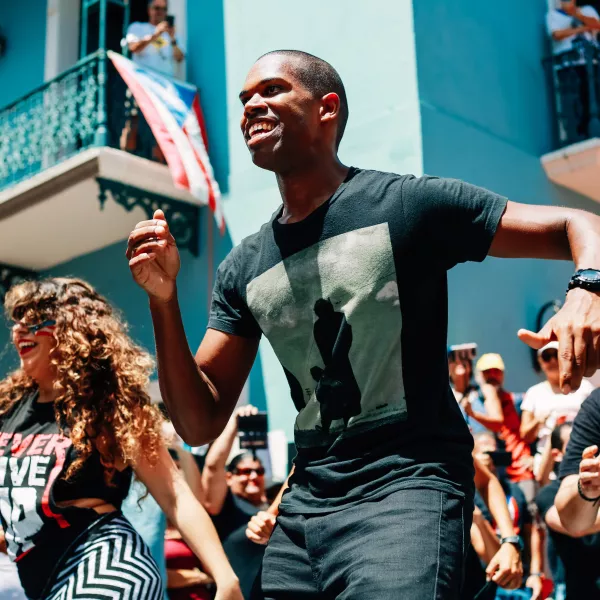
In Puerto Rico, dancing is always part of the experience.
Learn About the Dances of Puerto Rico
Get ready to move your feet and feel the beat of the Island's rhythms!
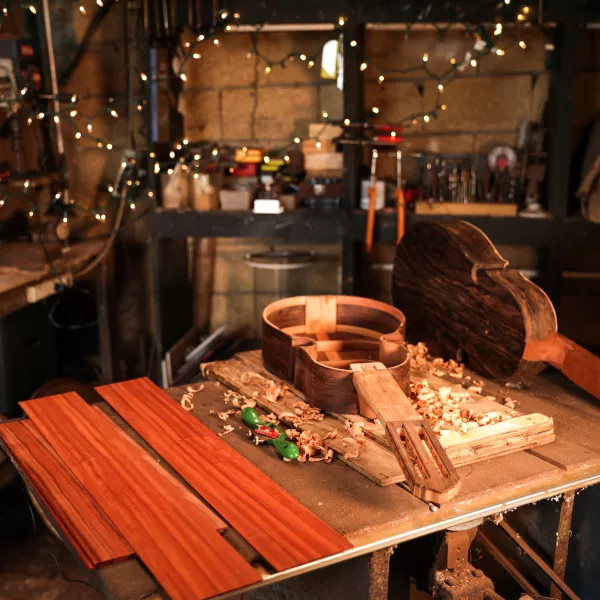
Traditional cuatro being constructed.
Discover Puerto Rico’s Décima and Trova, a Musical Tradition