In Puerto Rico, language is more than a means of communication—it’s a celebration of identity, history, and cultural pride. While Spanish is our primary language and English is widely understood, Puerto Rican Spanish, or Boricua lingo, is uniquely our own. It reflects our heritage and reminds us that to truly love our Island is to embrace what makes us different—including the way we speak.

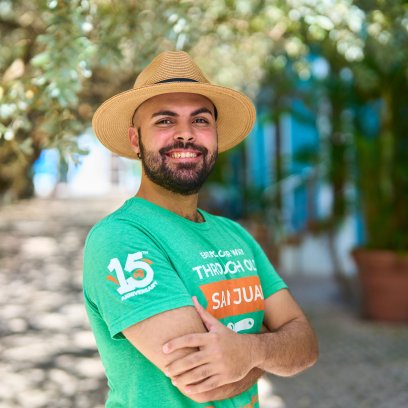
Sheila Torres, founder of Dialecto Boricua.
As part of our Return the Love initiative, we invite visitors to go deeper: not just to see the Island, but to understand it. And there's no better place to start than with the words we use every day.
Meet Sheila Torres, founder of Dialecto Boricua, a cultural platform dedicated to preserving and celebrating the Spanish spoken in Puerto Rico. Sheila offers helpful tips to guide travelers through our local language—and, by extension, our way of life.
Visit Puerto Rico Responsibly
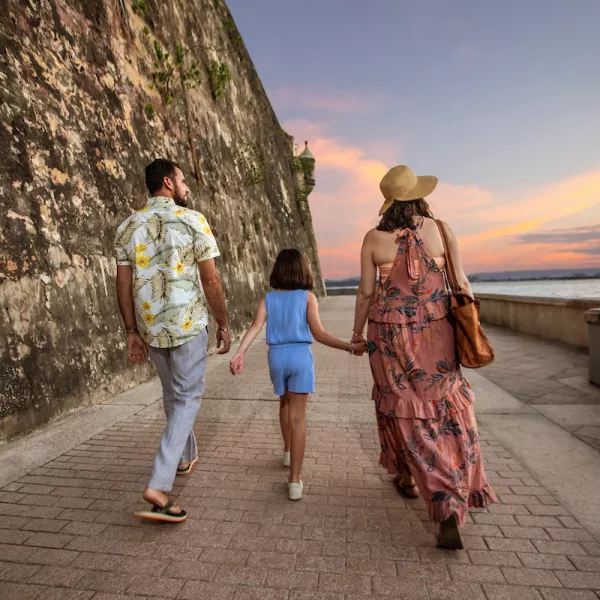
Take an ocean view stroll along the iconic Paseo de la Princesa in Old San Juan.
1. Don’t Fall for Stereotypes
Yes, Boricuas are known for our fast-talking, colorful expressions—but no two people speak exactly the same. Our accent, vocabulary, and even rhythm vary by region, age, education level, and personality. From the urban flow of San Juan to the rural charm of the Central Mountains, language in Puerto Rico reflects the diversity of its people.
“To understand Boricua Spanish is to appreciate the depth and texture of who we are,” says Sheila.
2. Learn a Few Key Words Before You Arrive
Even a small vocabulary can go a long way toward building trust and connection. Here are a few local terms to get you started:
- Zafacón = Trash can
- Jugo de china = Orange juice
- Guagua = Bus
Understanding everyday expressions will help you navigate with ease—and locals will appreciate the effort.
3. Don’t Be Afraid to Make Mistakes
Puerto Ricans are famously warm and welcoming! While we do speak fast and love our regional phrases, we’re also patient and happy to help. Whether you’re ordering at a café or asking for directions in Old San Juan, don’t hesitate to ask for clarification. It’s not about being perfect—it’s about showing respect.
4. Use the Internet as Your Language Wingman
There’s no shame in Googling. If you don’t speak Spanish fluently, there are plenty of reliable tools to help translate signage, menus, or directions. And if you do speak Spanish but struggle with local expressions, Sheila recommends checking out the Tesoro Lexicográfico del Español de Puerto Rico—a rich resource for understanding the roots and meanings of Boricua terms.
5. Embrace Our Linguistic Fusion
Puerto Rican Spanish isn’t just one flavor—it’s a fusion. Our vocabulary blends:
- Taíno words from our Indigenous heritage
- Spanish dialects, especially from Andalusia and the Canary Islands
- African linguistic influence
- English adaptations, thanks to centuries of interaction with the mainland
This mix gives Puerto Rican Spanish its musicality, warmth, and unforgettable personality.
“Our words tell our story,” Sheila explains. “Each phrase, each accent is a piece of our cultural DNA.”

Cruise passengers can restaurants, shops, and historic sites in Old San Juan.
Return the Love by Listening—and Speaking—with Heart
To visit Puerto Rico is to Live Boricua—to dance to our rhythms, taste our flavors, and speak with soul. When you make the effort to understand how we express ourselves, you’re not just learning a few new words. You’re showing love for our Island, our people, and our shared humanity.
And as we say here: when you love Puerto Rico, Puerto Rico loves you back.
More Ways to Return the Love · More Ways to Return the Love · More Ways to Return the Love · More Ways to Return the Love · More Ways to Return the Love · More Ways to Return the Love · More Ways to Return the Love · More Ways to Return the Love · More Ways to Return the Love · More Ways to Return the Love ·
More Ways to Return the Love · More Ways to Return the Love · More Ways to Return the Love · More Ways to Return the Love · More Ways to Return the Love · More Ways to Return the Love · More Ways to Return the Love · More Ways to Return the Love · More Ways to Return the Love · More Ways to Return the Love ·
Protecting Puerto Rico’s Bioluminescent Bays
Experience Puerto Rico’s glowing bioluminescent bays responsibly—and help protect their magic for future generations.
Guide to Responsible Beach Enjoyment in Puerto Rico
Enjoy Puerto Rico’s beaches while conserving the Island’s natural beauty and marine life.
How to Explore and Preserve El Yunque National Forest
Explore El Yunque’s lush rainforest responsibly—and help safeguard one of Puerto Rico’s most treasured natural wonders.
Top Tips for Visiting Old San Juan Respectfully
Learn five simple ways to explore Old San Juan thoughtfully and with care.

How to Be a Respectful Guest at Hotels in Puerto Rico
Learn practical and respectful travel tips to follow during your hotel stay in Puerto Rico.

Guide to Staying Respectfully in Puerto Rico’s Short-Term Rentals
Essential travel tips to keep in mind during your short-term rental stay.
Speaking Boricua: How Language Connects You to the Heart of Puerto Rico
Discover how Puerto Rican Spanish reflects the Island’s soul—and why learning a few local words is a powerful way to Return the Love.
Eco-Friendly Travel Tips: How to Reduce Waste in Puerto Rico
Planning a sustainable trip to Puerto Rico? Start by minimizing your environmental footprint.

Where to Eat Local in Puerto Rico: Sustainable Dining Tips to Support the Island
Looking for the best Puerto Rican food spots and how to support local restaurants responsibly? Here’s how to enjoy bold flavors while giving back to the Island.