It’s no secret that Puerto Rico is home to superstars and musical icons. From classical music to salsa, reggaetón, and other contemporary hits, Boricua musicians have wowed audiences worldwide while shining a spotlight on the Island. While there are so many artists to choose from, here’s a non-exhaustive list of Puerto Rican artists from the past and present who have shaped music locally and abroad.
Famous Boricua Singers and Dancers
Ricky Martin
Few singers from Puerto Rico are as well known as Ricky Martin. Hailing from San Juan, he got his start as a member of the famous boy band Menudo. He’s a talented singer, songwriter, and actor who is known for his energetic dance music and Latin pop hits. He’s been very successful, releasing studio albums, selling over 85 million records around the world, and winning numerous awards, including two Grammys.
Olga Tañón
Also known as "La Mujer de Fuego," Olga Tañón is a Puerto Rican merengue icon. Hailing from the town of San Juan, she came on to the scene in the late 80s and became a sensation thanks to her powerful voice and electrifying stage presence. Her energetic blend of merengue and Latin pop has earned her multiple Grammys and a devoted local and global fanbase.
Ivy Queen
Martha Ivelisse Pesante Rodríguez, known as Ivy Queen, is a Puerto Rican singer, rapper, and songwriter from Añasco. Referred to as the "Reina del Reggaetón" (Queen of Reggaetón), she is considered one of the pioneers of the genre during a time when it was mostly dominated by men. Her sensual lyrics put women at the forefront and challenged the stereotypes of urban music. Her influential presence paved the way for other female reggaetón artists like Young Miko, RaiNao, Villano Antillano, and others to rise in the industry.
Daddy Yankee
One of the artists who helped bring reggaetón into the mainstream, Ramón Luis Ayala Rodríguez, known as Daddy Yankee, is a singer, rapper, songwriter, actor, and record producer from Río Piedras, San Juan. He is often referred to as the "Rey del Reggaetón" (King of Reggaetón) and is among the most influential Latin artists of all time, with meteoric hits like Gasolina and Despacito. He has released 31 albums, has sold over 30 million records worldwide, and has received numerous accolades and awards.
Kany García
Born in Toa Baja, Kany Garcia is a popular singer, LGBTQ activist, and songwriter known for her soulful voice and poignant lyrics. She gained recognition after her 2004 appearance on the musical talent show Objetivo Fama. Although she didn’t win, her career skyrocketed soon after. With multiple Latin Grammy Awards, she has captivated audiences with hits like Hoy Ya Me Voy and Alguien. Her music blends pop and heartfelt storytelling, establishing her as a prominent voice in Latin music.
Iris Chacón
Known as "La Bomba de Puerto Rico" (The Puerto Rican Bombshell) and "La Vedette de América” (America's Showgirl), Iris Chacón is a dancer, singer, and pop culture icon from San Juan. Throughout the 1970s and 80s, she performed on stage across Latin America, the United States, Europe, and Japan while also starring in various films and telenovelas. Her famous Amalie Oil commercial showcased her flirtatious stage presence and sarcastic comedic wit, becoming one of the most well-known commercials to air in Puerto Rico.
Bad Bunny
Probably one of the biggest names in music right now, Benito Antonio Martínez Ocasio is a force to be reckoned with. Known as Bad Bunny, he hails from the northern town of Vega Baja and has cemented himself as one of Puerto Rico’s biggest stars, achieving record-breaking success, international recognition, and numerous accolades. From 2020 to 2022, he held the title for the most-streamed artist on Spotify, and his 2022 album Un Verano Sin Ti remains the #1 most-streamed album of all time.
José Feliciano
Born in the central-west municipality of Lares, few singers carry the distinction of being synonymous with Christmas. Besides the iconic 1970 hit, Feliz Navidad, Feliciano’s career has spanned decades, having released around 50 albums in both Spanish and English, showcasing how his visual disabilities aren’t a detriment to his success!
Héctor Lavoe
A pillar and icon of Latin music, Héctor Lavoe, "El Cantante de los Cantantes" (The Singer of Singers), was born in Ponce and emigrated with his parents to New York at a young age. With an unforgettable voice, comedic wit, and improvisational genius, he captivated audiences and embodied the vibrant energy of New York City's salsa scene in the 1970s and 80s, becoming one of the key figures to help shape its sound. Hits like Aguanile and Mi Gente remain classics, solidifying his place as a salsa legend.
Margarita "Tata" Cepeda
Born in Cataño, Margarita "Tata" Cepeda is a dancer, singer, and teacher, dedicating herself to preserving the traditions of bomba and plena. Lovingly known as "La Mariposa de la Bomba" (The Butterfly of Bomba), her grandparents were Doña Caridad Brenes Caballero and Rafael Cepeda Atiles, often referred to as patriarchs of these genres. She founded Escuela de Bomba y Plena Doña Caridad Brenes de Cepeda, located in San Juan, in 1976, serving as one of the premier schools keeping these traditions alive.
Pablo Casals
Pablo Casals was a virtuoso cellist, conductor, and composer, and one of the greatest stewards of Puerto Rico’s classical music scene. Born to a Puerto Rican mother and Spanish father, he spent his early years studying classical music throughout Europe, where he toured, playing for monarchs and presidents. He frequently traveled to the Island, creating the long-standing Festival Casals in 1957, the Puerto Rico Symphony Orchestra in 1958, and the Conservatory of Music of Puerto Rico in 1959. In the mid-1950s, he moved to the eastern town of Ceiba, where he would live out the rest of his life.
Pedro "Cuban Pete" Aguilar
Born in San Juan, Pedro Aguilar was known as “the greatest Mambo dancer ever” by Life Magazine and music icons like Tito Puente. He earned his nickname at the Palladium Dance Hall in New York City, inspired by Desi Arnaz’s song of the same name. Aguilar received many accolades and awards throughout his career, even performing for presidents and royalty. He’s the only Latin dancer recognized in the Latin Jazz exhibit at the Smithsonian Institution, a testament to his talent and legacy!
Ismael Rivera
Born in Santurce, San Juan, Ismael "Maelo" Rivera is another salsa legend. Known as "El Sonero Mayor," his improvisational skills, unique voice, and infectious energy captivated audiences. Maelo's musical legacy, which blended Afro-Puerto Rican rhythms like bomba, plena, and Cuban guaracha, set him apart and continues to inspire generations of artists.
Joaquín Mouliert
Joaquín Mouliert, known as "El Pitirre de Fajardo", is a pillar of Puerto Rican folkloric music. A talented trovador born in Fajardo, he has showcased his skills on renowned stages like Carnegie Hall. In 1983, he partnered with the Instituto de Cultura Puertorriqueña and Ron Bacardí to launch Puerto Rico’s trovador contests, establishing the first global rules for espinela, which remain the standard in Latin American décima and espinela competitions today. Mouliert is also recognized for his contributions to preserving and promoting traditional Puerto Rican music!
Tito Puente
Tito Puente, "El Rey de los Timbales" (The King of the Timbales), was a Latin Jazz legend. Born to Puerto Rican parents in New York City, he was a master timbalero, pioneering the Afro-Cuban rhythms and big-band sounds that have become essential with this genre. His vibrant music and dynamic performances captivated audiences worldwide, leaving an enduring legacy for Latin music, especially Latin Jazz.
Bobby Capó
Bobby Capó, born in the central town of Coamo, was a renowned singer and songwriter from the 1950s and 60s. He gained fame as a member of Xavier Cugat's orchestra and later as a solo artist. Capó's music blended ballads with Latin rhythms and Puerto Rican folklore, writing over 2,000 songs, including the iconic Piel Canela. He was also a TV director and worked for the Puerto Rican government as the Ambassador of the Puerto Rican Consulate Embassy in New York City.
Antonio Paoli
Antonio Paoli was one of Puerto Rico’s most successful and influential opera tenors, known as "El Rey de los Tenores" (the King of Tenors), during the height of his career. Born in Ponce in 1871, he later moved to Spain, achieving international fame in the late 19th and early 20th centuries, performing in major opera houses across Europe, the Americas, the Caribbean, Africa, and Asia.
Recommended Articles
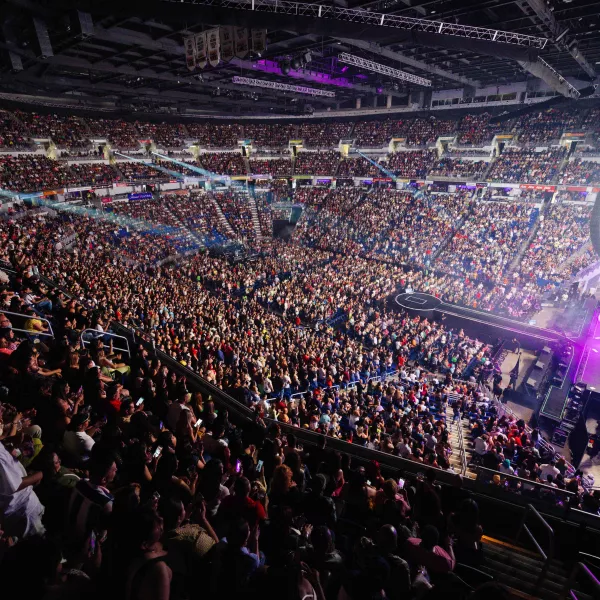
Don't miss all the jaw-dropping events happening at Coliseo de Puerto Rico José Miguel Agrelot.
Guide to Rock & Pop Music in Puerto Rico
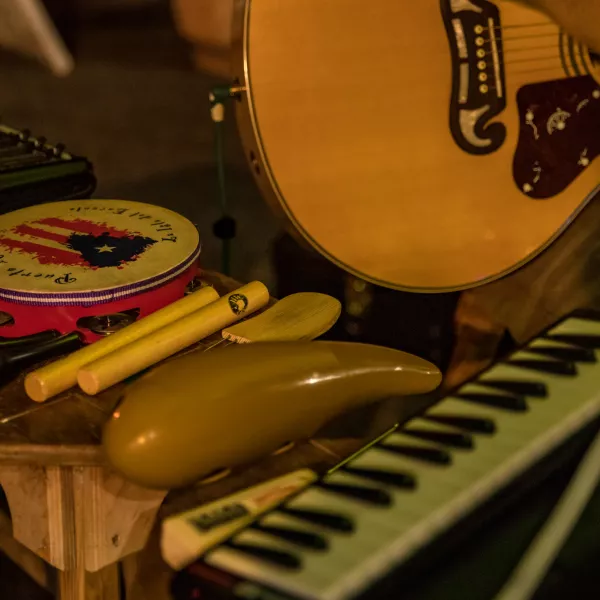
Puerto Rico has many traditional instruments, like palitos, güiros, and panderetas, that are often used with all types of music, like Plena, Salsa, and others.
The History and Evolution of Dance Types in Puerto Rico
Music and culture are at the heart of the Boricua identity.
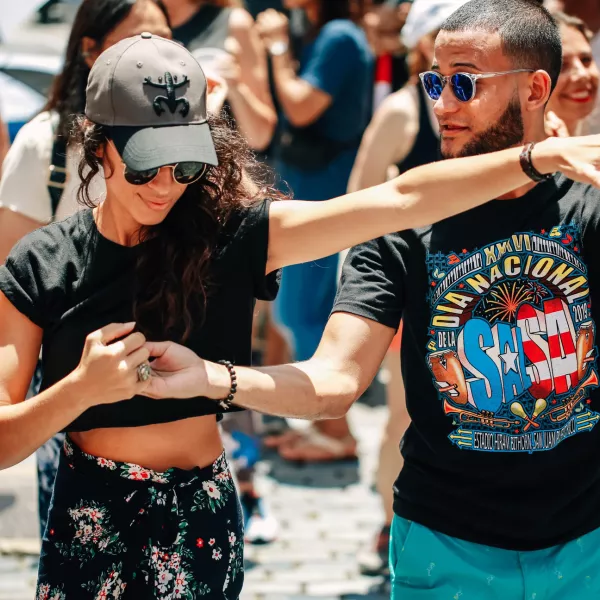
It's very common to see people break out into group salsa dancing at national holidays and festivals.
Music Festivals to Attend in Puerto Rico

Where To See Live Performances and Artists in Puerto Rico
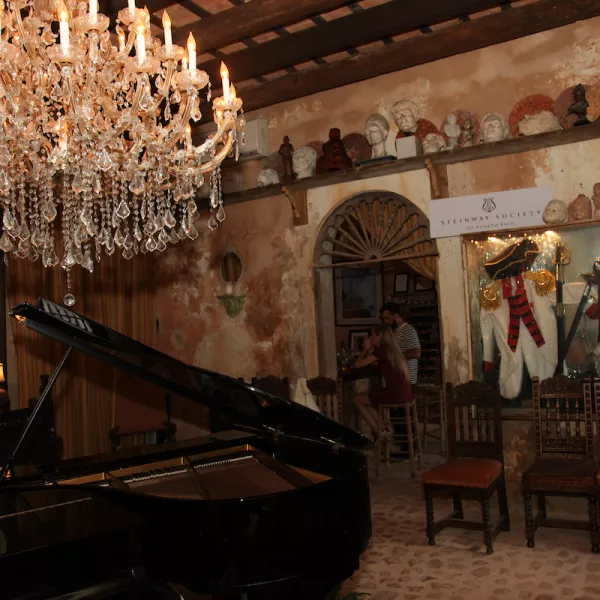
Classical Music in Puerto Rico: European Tradition with Boricua Essence
Top Annual Dance Events in Puerto Rico
Get ready to dance the days and nights away.