
Some trips are measured in miles. This one is measured in moments.
In Puerto Rico, the journey begins the second you step outside. Salt air rolls in from the sea. Music spills from a sun-drenched plaza. A trail winds and vanishes into walls of rainforest foliage.
This itinerary was built for travelers who want more than a checklist. It follows the spirit of the “Awaken your Senses” campaign— an invitation to slow down, let the Island find you, and discover Puerto Rico through every sense: sight, sound, taste, scent, and touch.
Let curiosity lead the way.
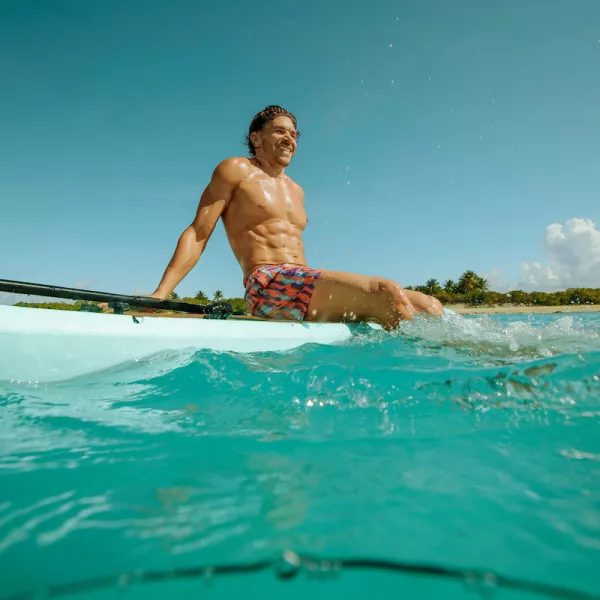
Day 1: Saltwater and Starlight (East Coast)
Where the Island opens to the sea
Puerto Rico’s eastern coast doesn’t ease you in. The Atlantic on one side, the Caribbean on the other, the Island narrowing toward the horizon. This is where the journey begins, where the water does the work of unwinding you before you’ve had time to decide to unwind.
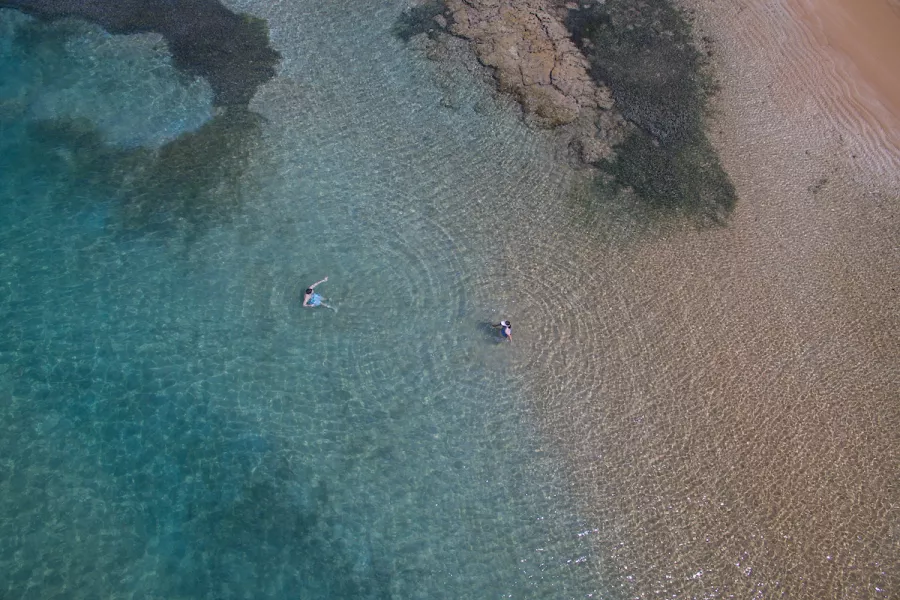
Morning: Cayo Icacos
A boat leaves the marina in Fajardo, and soon the coastline fades behind you. Ahead, Cayo Icacos opens into clear water and white sand— one of Puerto Rico’s most pristine uninhabited cays, accessible only by water, which is exactly the point. Snorkel along coral reefs where sea turtles move through their undisturbed world, or float quietly while the sun reflects off turquoise water so clear you can count the shadows of fish twenty feet below.
This is not a managed experience. There is no entrance fee, no guided path, and no optimal viewing platform. There is just the reef, the light, and your body in the water. The Island’s first lesson is wordless.
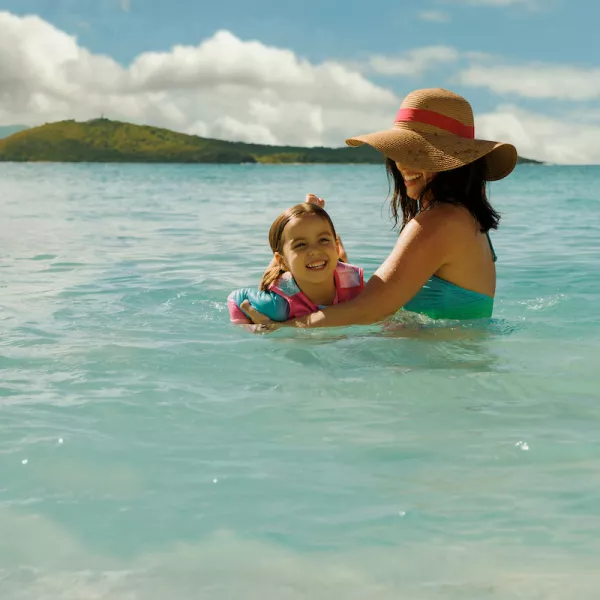
Step outside and feel the sun, sand, and refreshing waters of Puerto Rico.
Micro-moment: Salt on your skin. The horizon wide open. Time slowing down.
Enjoy the Island your way, from soaking up the sun and exploring new places to making unforgettable memories along the way.
The Island teaches: Notice the moment when your breathing changes; when it deepens without effort. That is the body accepting what the mind is still negotiating. The Ocean is leading.
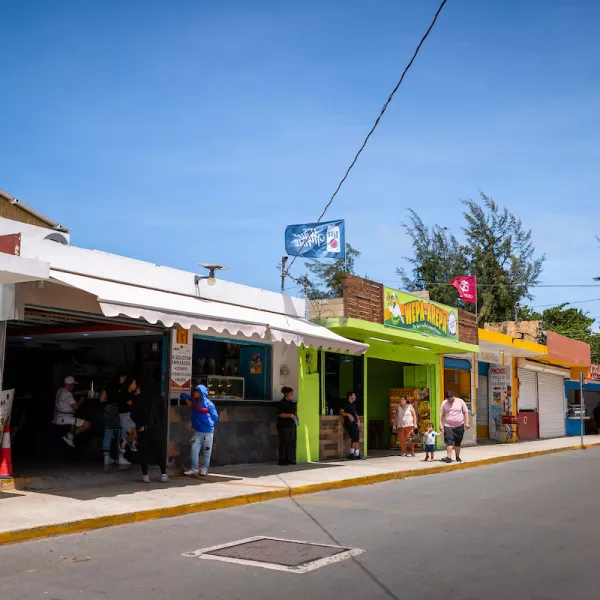
Sunset: Luquillo Coast
Back on shore, follow the coast toward Luquillo.
The kiosk strip at Balneario La Monserrate is one of Puerto Rico’s great slow evening institutions— tables fill gradually near the beach, fresh seafood arrives with lime and plantains, and the waves roll in just beyond the lights. There is no hurry here. The ocean sets the pace, and it's generous. Order what calls to you. Eat outside. Let the salt air move through the meal. The Luquillo kiosks are not fine dining— they are something better: local farm-to-table food, made by people who have been feeding this coastline for generations.
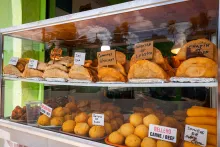
Micro-moment: Barefoot ease. Ocean air. The first long evening of the trip.
The Island teaches: The unhurried meal is a form of cultural education. In Puerto Rico, eating is not refueling— it is time for connection. Slow down and buen provecho!
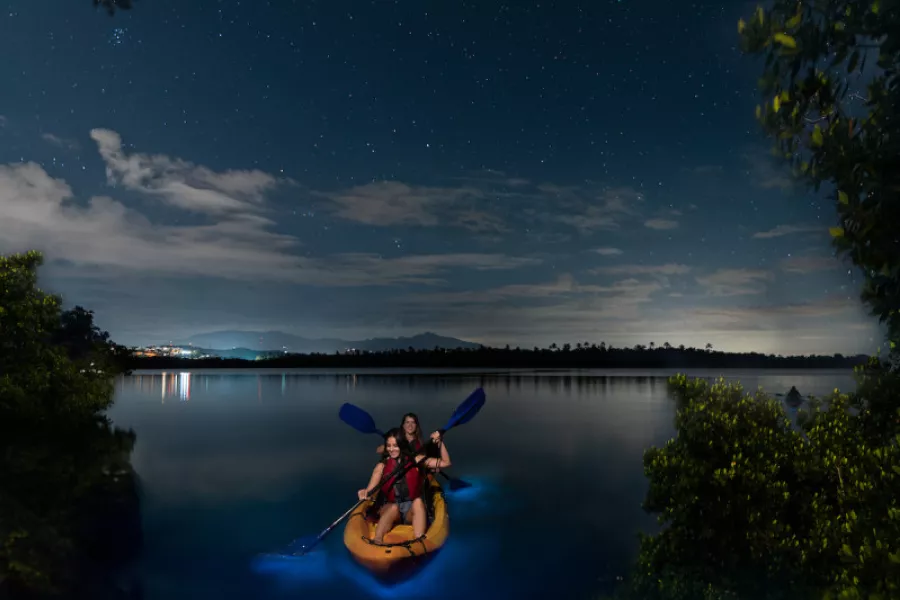
The water will sparkle as you explore the uniqueness of Puerto Rico's bioluminescence.
Night: Bioluminescent Bay, Laguna Grande, Fajardo
As darkness settles, paddle across calm water near Fajardo. Kayak guides lead you through a channel of mangroves- the tunnel of roots narrowing, the sky disappearing— and then the lagoon opens, and the darkness becomes something else entirely.
Every movement creates a trail of glowing blue light beneath the surface. Every paddle stroke blooms. Every hand trailed through the water leaves a luminous wake that lasts just long enough to feel like magic. Laguna Grande is one of the rarest natural phenomena on earth— a bay of bioluminescent dinoflagellates that respond to movement with living light. There is no photograph that captures it. Your body will carry it instead.
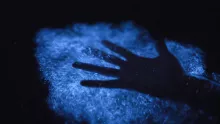
Micro-moment: The ocean sparkles with every stroke of the paddle.
The Island teaches: You cannot plan a response to this. That is why it matters. Bioluminescence does not reward preparation— it rewards presence. Pause your paddling in the center of the lagoon. Trail your fingers slowly through the water and watch what happens. Stay there longer than feels necessary.
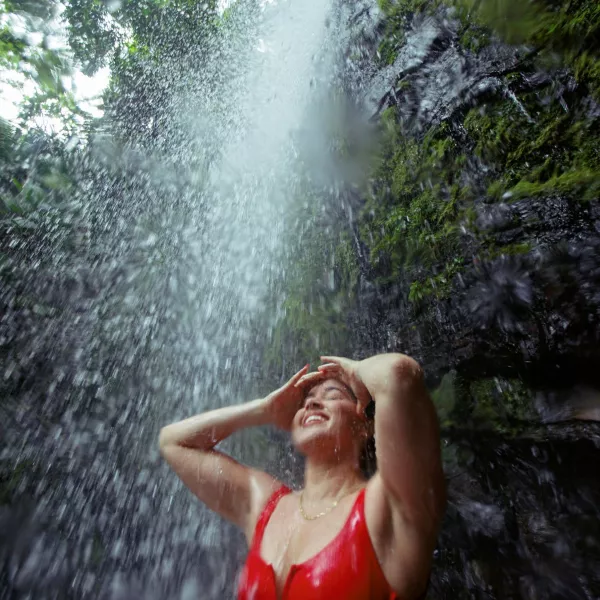
Stand beneath a waterfall in El Yunque and feel the cool rush of rainforest water all around you.
Day 2: Rainforest and Old City
Day 2 moves through two of Puerto Rico’s most layered worlds— the only tropical rainforest in the US National Forest System, and the Americas’ oldest European-settled city. Both reward the slow visitor over the efficient one. Both have a specific quality of time that the outside world does not.
Morning: Juan Diego Falls (El Yunque)
The trail narrows under the rainforest canopy. Rain taps softly through giant leaves.
The forest roof is so dense that individual drops become a distributed sound rather than a single impact. You hear the water before you see it: a low, continuous frequency that grows louder through the trees until, around a bend in the trail, the waterfall appears. Quebrada Juan Diego is not El Yunque’s most famous sight, which is exactly why it remains intimate. The natural pools beneath the falls are cold and clear. The forest around them has been growing, undisturbed, for longer than the Island had a name. Stand in the water. Let the falls do what water has always done. Forget the outside world and be present.
The sound of water falling, the deep green all around, and the cool air make this spot in El Yunque feel alive in every moment.
Micro-moment: Cool mountain air. The sound of water over stone.
The Island teaches: The rainforest is the Island’s original music. The coqui chorus at dawn, the layered birdsong, the deep background frequency of the forest breathing— these sounds were here before any human instrument. Listen to them the way you would listen to a great musician: without trying to identify every element, just receiving the whole.
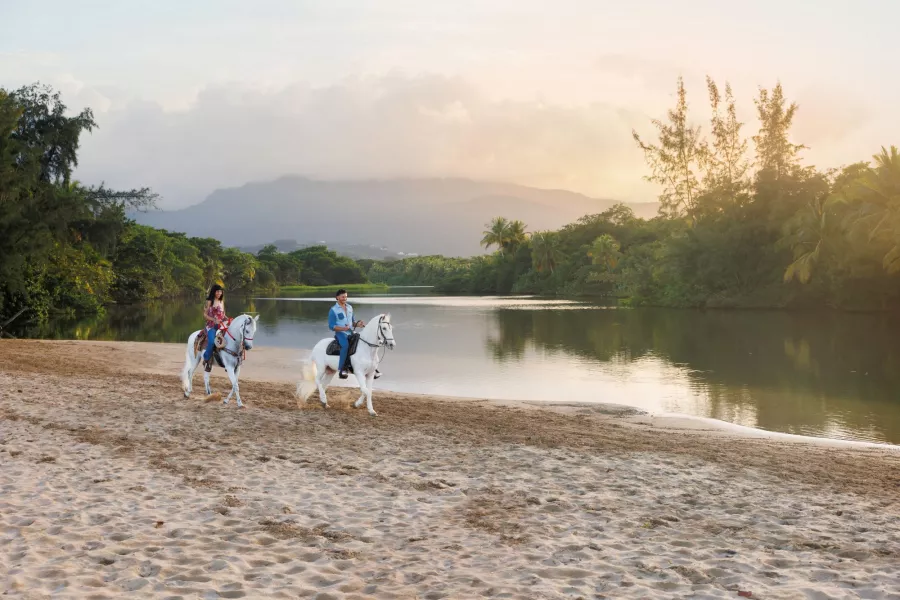
Riding Paso Fino horses along the riverbank at sunset, calm and connected to the landscape.
Afternoon: Hacienda Carabalí
Swap hiking boots for horseback or ATV trails along the foothills of El Yunque. Hacienda Carabalí is set at the edge of the forest where the mountains begin to open — trails wind through working ranch land, and then suddenly the path opens to sweeping views where the green hills descend to the ocean. The physical shift from enclosed forest to open horizon is immediate and physical: the chest expands before the mind registers why.
This is an adventure in its proper sense — not managed risk, but genuine movement through terrain that has its own logic. Let the horse or the trail lead. Notice where your body settles when it stops directing.
Micro-moment: Wind on your face. Green hills stretching to the horizon.
The Island teaches: The body knows things the planning mind forgets. On horseback or on a trail through open land, the body's intelligence comes forward — balance, breath, attention to what's immediately present. This is not a detour from the journey. It is a different kind of knowing.
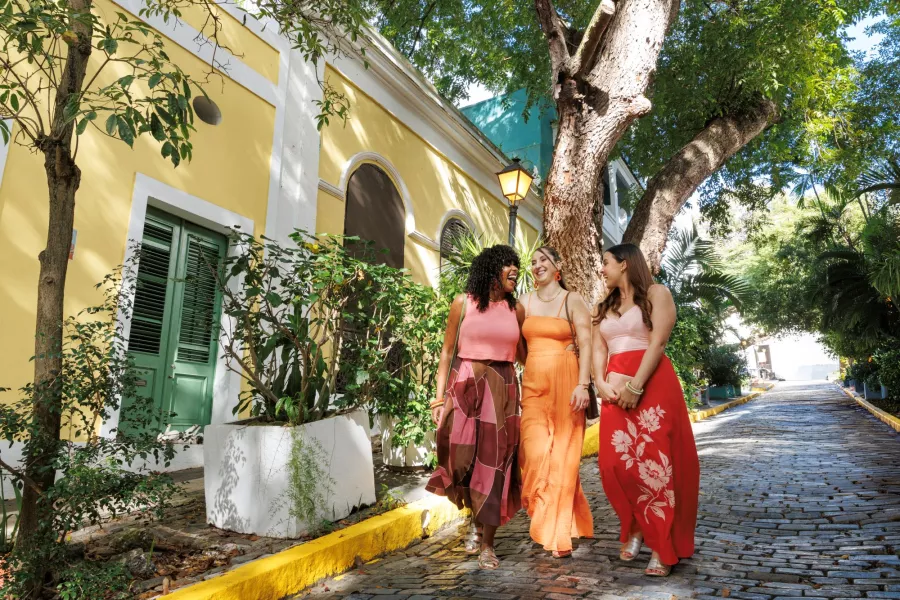
Evening: Old San Juan
Cobblestones slow your pace as pastel balconies glow in the afternoon light. Old San Juan does this to people — something about the scale of the streets, the density of history in the architecture, the way the city was built for walking at human speed — it resets the body's tempo before the mind has agreed to change. Let it.
At Castillo San Felipe del Morro, the Atlantic stretches endlessly beyond the fortress walls. The ramparts at golden hour produce a specific silence — wind off the ocean, the city humming behind the walls, kites above the esplanade. This is the stone your ancestors in the Americas looked out from. Stand at the wall long enough for that weight to register.
Later, share a conversation over craft beer at a local brewery in the historic quarter. San Juan's independent brewing scene is young, locally rooted, and the conversations it generates are consistently better than the beer.
Micro-moment: History beneath your feet. Laughter echoing through narrow streets.
The Island teaches: Old San Juan is not a museum that happens to have people in it. It is a living city that happens to be five hundred years old. The difference matters: engage with the people, not just the architecture. The best stories here are not plaques.
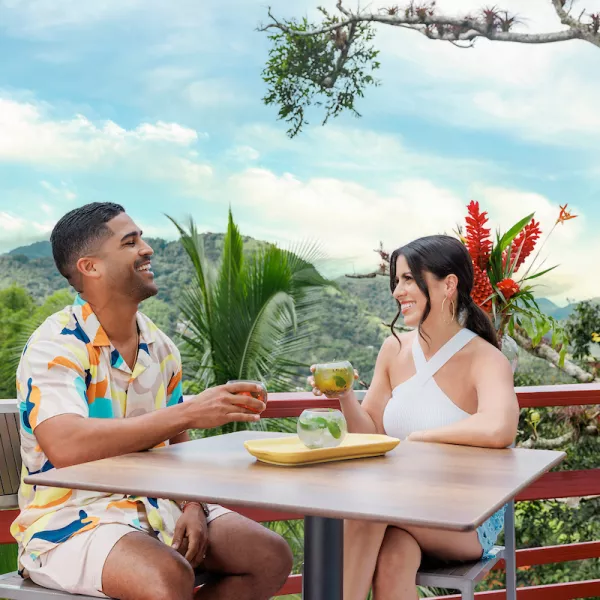
Couples can savor Puerto Rico's vibrant culinary scene through romantic dinners.
Day 3: Mountains and Meaning
Most visitors to Puerto Rico never leave the coast. The central mountains — the Cordillera Central that runs through the Island's spine — hold a different Puerto Rico: slower, older, cooler, and with a relationship to the land that coastal culture has partially forgotten. Day 3 goes inland. The air changes within twenty minutes of leaving the coast.
Morning: Cayey Overlook
The road climbs into Puerto Rico's central mountains, and the landscape changes register by register — the air freshens, the temperature drops several degrees, the vegetation thickens with mist. At a hillside café like Calipso in the Cayey highlands, breakfast arrives slowly while clouds drift through the valleys below you. The coffee here is grown within sight of where you're sitting.
This unhurried morning above the Island is not a scheduled activity. It is a recalibration. The view from the mountains — layers of green descending to the ocean's blue line at the horizon — shows you the whole Island at once: coast and interior, ocean and mountain, the full geography of a place that most people see only in part.
Micro-moment: Fresh mountain air. A quiet moment above the Island.
The Island teaches: Sit here long enough for the clouds to move through the valley below you. Puerto Rico is not a small island — it has altitudes, microclimates, and ecosystems that most visitors never experience. This view is the Island explaining itself to you in full.
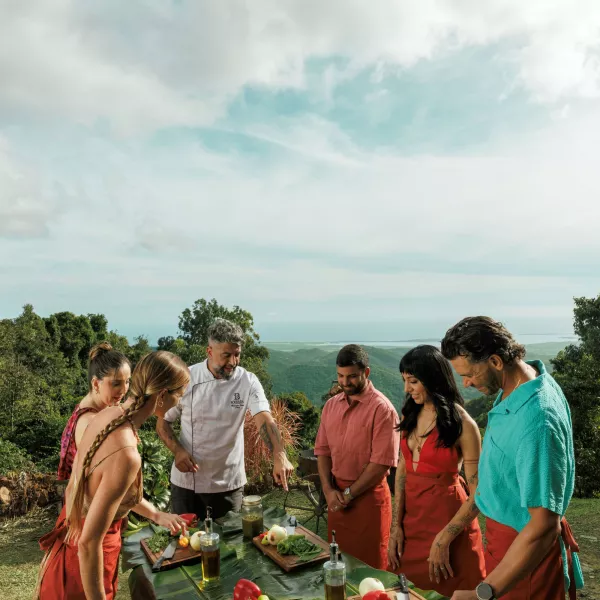
Afternoon: Farm-to-Table Experience
At a countryside hacienda in the central highlands, chefs cook with ingredients grown nearby — some of them harvested that morning; some of them fermented or cured through traditions that predate industrial supply chains. Meals unfold around conversation and stories as much as around flavor: who grew this, how it was grown, what the land looked like before the hurricane, what it is becoming now.
This is not a restaurant experience that happens to have farms nearby. It is a food experience rooted in a specific piece of land and a specific community's relationship to it. The difference is perceptible in every bite— the herbs still smell of morning; the plantains were grown in the valley you can see from the table.
Micro-moment: The smell of wood smoke and fresh herbs from the kitchen.
The Island teaches: Puerto Rican food at this level is autobiographical — the sofrito is a grandmother's recipe, the produce carries the particular sweetness of volcanic soil and mountain rain. Taste slowly. Ask questions. Every ingredient here has a story that connects directly to the Island's history, its African and Taíno heritage, and its mountains.
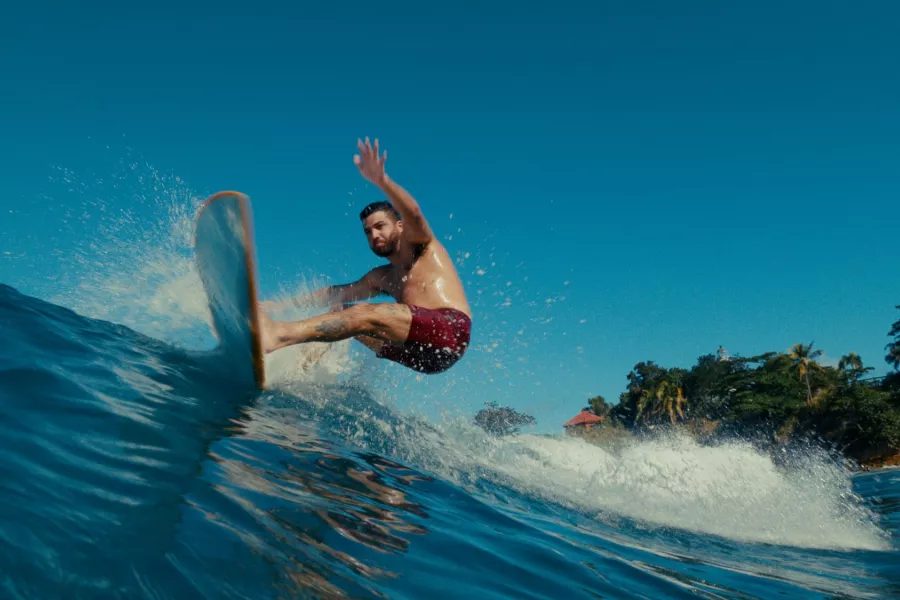
Day 4: The Western Horizon
Rincón is where Puerto Rico faces west — the only point on the Island where you can watch the sun set directly over the ocean. The surf culture here is not imported; it arrived in the 1960s and took root because the waves warranted it, and because the people who stayed made it their own. The town has a specific quality of ease that comes from decades of people choosing to live slowly.
Drive West — Playa María & The Rincón Coast
Drive west through the Island's interior, watching the landscape shift from the lush central highlands to the drier, open western terrain. The drive itself is the first act— Puerto Rico from the inside, seen at the speed of a winding two-lane road.
At Playa María, surfers wait for the next wave while the sky above them shifts through gold and coral tones. The beach faces west, and the sunset arrives slowly over the Caribbean— not a brief dramatic event but a long, considered performance of light that lasts for the better part of an hour. The horizon here is genuinely endless: the next landmass in the direction you're looking is Central America.
The Rincón coast has multiple beaches within easy reach of each other, each with its own character. Wander between them in the afternoon hours. The town's independent restaurants and coffee shops carry the particular warmth of a community that knows why people come and is genuinely glad to have them.
Micro-moment: Open sky. Endless horizon. The rhythm of the tide.
The Island teaches: Watch the surfers before you try to understand the waves. Each one reads the water differently— weight shifted forward, gaze on the horizon, the specific patience of someone who has been wrong enough times to know what waiting right feels like. The ocean here is a teacher with very consistent feedback.
Explore Puerto Rico's west coast
Rincón — After the Sun Goes Down
Rincón's evenings are unhurried in proportion to its sunsets. The town's independent bars and restaurants fill gradually. Conversations at the bar tend to include at least one person who came here for a week twenty years ago and never entirely left. Those conversations are worth having. Ask them what they know about the Island that a five-day visitor doesn't.
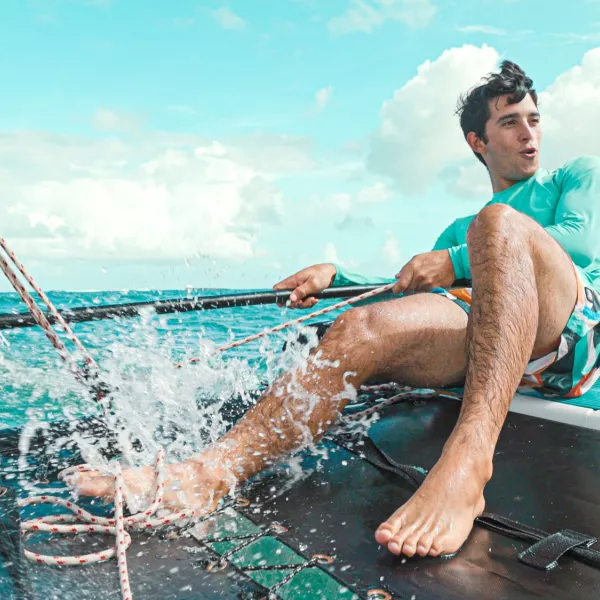
Day 5: A Soft Goodbye
There is a particular quality to the last morning of a good journey. The senses are still open—five days of salt water, mountain air, wood smoke, and music have done something to the body's receptivity—and everything lands with slightly more weight than it did on arrival. Let the final morning be slow. The ocean will set the pace.
Isla Verde, San Juan
Before heading home, stop at Pine Grove Beach near San Juan. The beach is calm, the water warm, and the crowd is unhurried at this hour. If you find your way to Pine Grove Surf Club, look for Héctor — the purveyor of this small, sun-worn corner of the Island, who has been reading this beach’s moods for years and shares what he knows with anyone willing to ask. Take a surf lesson or a paddleboard tour and let the ocean set the pace — not the flight, not the itinerary, not the list of things you meant to do and didn’t.
One last swim before the journey ends. Salt water in the morning light has a specific quality after five days on the Island — the body knows it now, has absorbed it, and will carry it back. This is not a consolation swim before departure. This is the seal on everything.
Micro-moment: Salt in your hair. A final deep breath of Caribbean air.
The Island teaches: Notice what you are thinking about on this last walk along the shore. Not what you missed or what you wish had gone differently — but what has stayed with you. The bioluminescence. The drum vibration at the waterfall. The farm meal and the name of the person who cooked it. What the Island gave you that you weren't expecting to receive. Those are the things worth carrying home.
Before you leave...
Ask someone at the beach what their favorite thing about Puerto Rico is. Not a local necessarily — anyone who has spent time here. The answer will be different from yours. That is the point. The Island has more to offer than five days can hold. That is not a failure of the itinerary. That is an invitation to return.
Travel through the Senses
If your curiosity leads elsewhere, follow your senses.
This itinerary covers five days. Puerto Rico is a lifetime. What follows is not a backup plan— it is an invitation to keep going, in any direction your curiosity points.
Each sense is a different entry point into the Island's culture. Use whichever one calls loudest.
See: Moments when light becomes memory
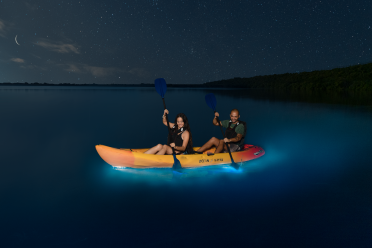
Vieques, Fajardo, or Lajas
Three bays, three distinct experiences of living light. Vieques's Mosquito Bay is considered the most brilliant in the world on moonless nights.
See more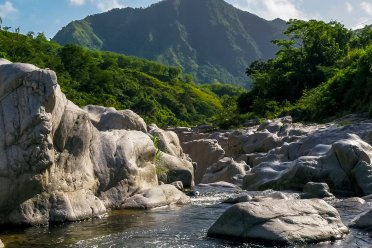
A limestone canyon in the Island's karst interior where the rock glows white in the afternoon sun — one of the most photographically unreal landscapes on the Island.
See more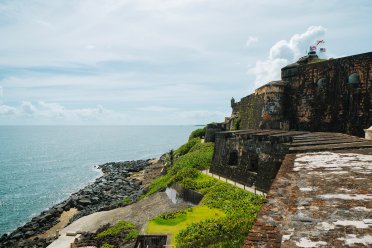
The fortress at golden hour produces a quality of light that five centuries of artists have tried and mostly failed to capture. Arrive an hour before sunset and stay an hour after.
See moreHear: Our rythm lives everywhere
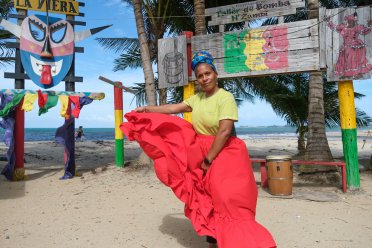
Saturday bomba workshop with Sheila Osorio. The oldest African-Caribbean musical tradition on the Island, still alive, still taught the way it always was — body to body, drum to dancer.
Hear more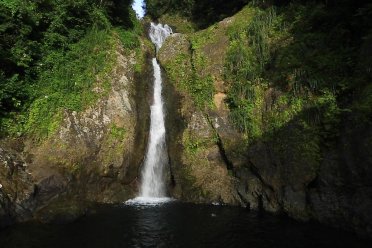
The central mountains around Orocovis hold some of the Island's most acoustic waterfall experiences — the terrain channels sound in ways the El Yunque trails don't.
Hear more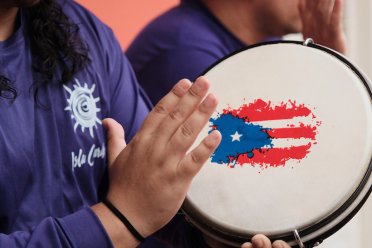
Ponce is the Island's second city and the heartland of plena — a call-and-response musical tradition rooted in African and indigenous traditions. Live plena in Ponce is a different experience from anything in San Juan.
Hear moreTaste: Meals that carry the Island’s heritage
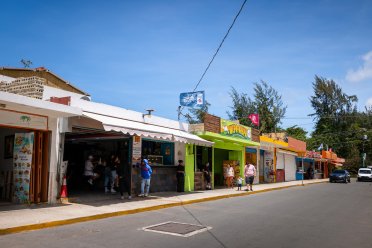
Forty family-run food stalls on the beach. Order something you can't pronounce. Ask what it is after you've tasted it.
Taste more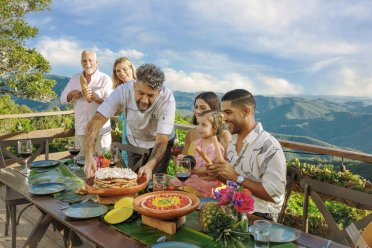
A mountain kitchen with deep roots in the central highlands' agricultural tradition. The menu changes with what was grown that week.
Taste more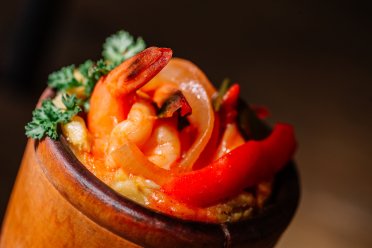
A legendary seafood institution on the south coast — one of those places that exists entirely because the food has always been extraordinary, and the word got out slowly enough to keep it honest.
Taste moreSmell: Small details that stay with you
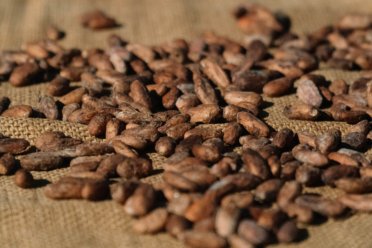
Puerto Rican highland coffee is among the world's finest and almost none of it leaves the Island. A farm visit in harvest season is as close as you get to coffee in its natural state.
Smell more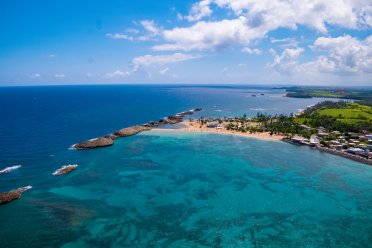
The north coast west of San Juan carries a specific quality of sea air — the Atlantic here is open and clean, and the breeze off it has a salinity and weight that the east coast doesn't quite replicate.
Smell more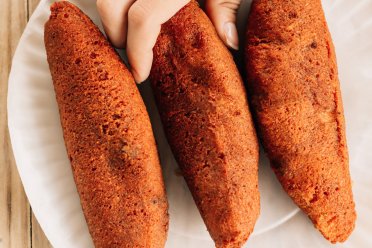
Every plaza in Puerto Rico has a specific smell in the late afternoon — alcapurrias frying, café brewing, someo
Smell moreFeel: Moments that wake up the body and spirit
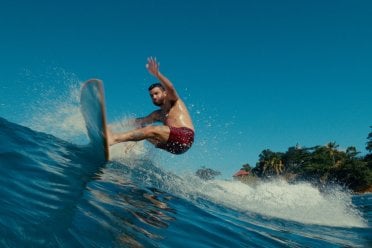
You don't need to surf to feel Rincón's energy — but if you do, the waves here have been shaping bodies since the 1968 World Surfing Championships.
Feel more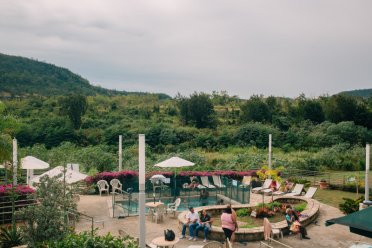
Natural thermal springs in the Island's south, believed by the Taíno to have healing properties.
Feel more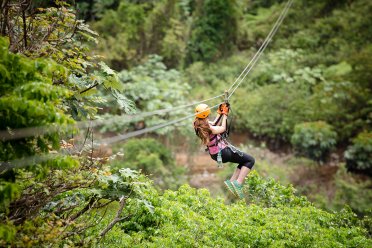
One of the world's longest zip lines runs through the central mountains here.
Feel moreAwaken Your Senses
Puerto Rico is not simply a destination. It is a place where the laughter of a plaza, the warmth of a dance floor, and the rhythm of daily life invite travelers to be fully present. Some places you visit. Others you feel. The Island has more to show you than any itinerary can contain. The best discovery is always the one that wasn't planned.
Recommended Articles
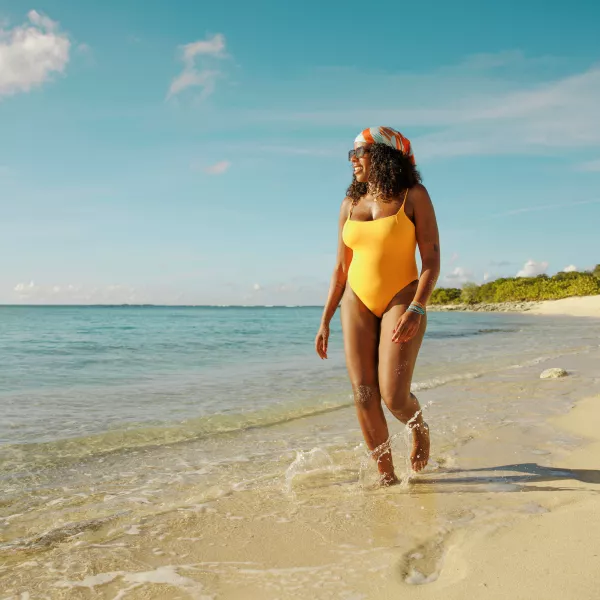
Palmeira swimwear and Rogative, your beach day essentials.
Find Your Calm in Puerto Rico: A Five-Day Relaxing Itinerary
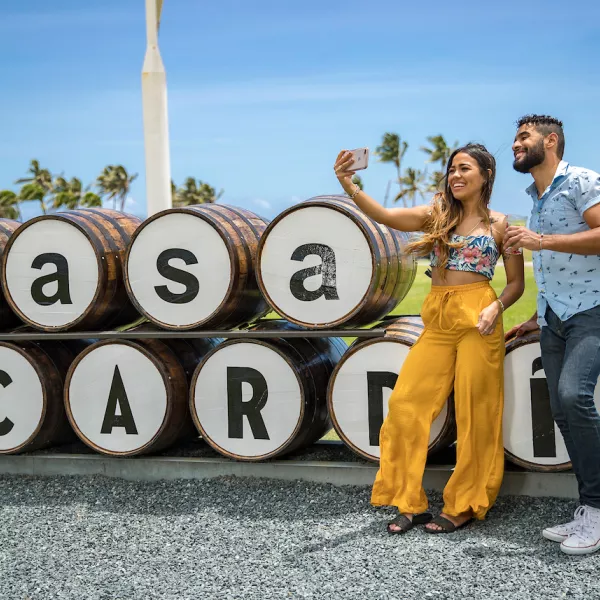
12 Uniquely Puerto Rican Excursions for Your Incentive Group
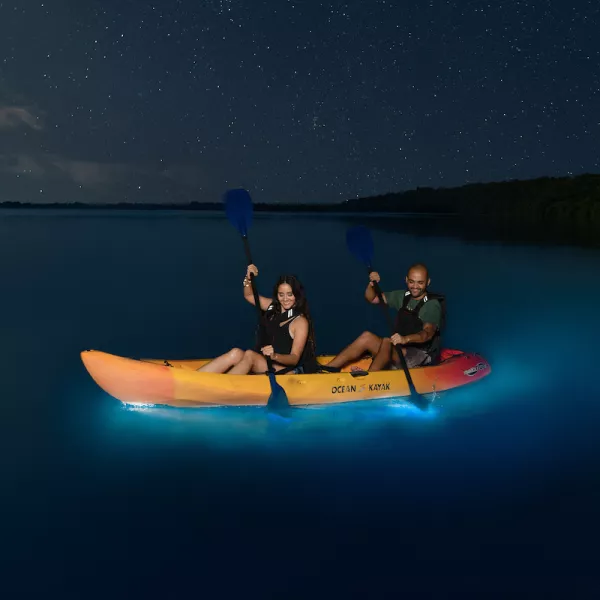
Explore the Outdoors: Puerto Rico's Top Nature Tours
Outdoor experiences in Puerto Rico are suited for all types of travelers.
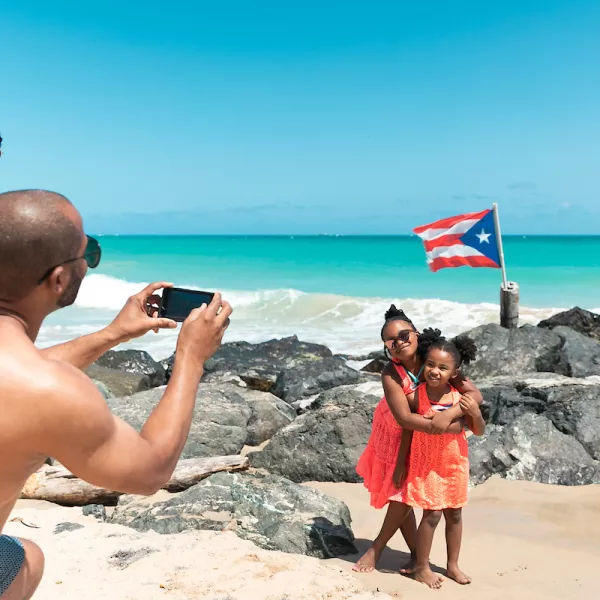
5 Days for the Whole Family
No one gets bored with this action-packed itinerary.
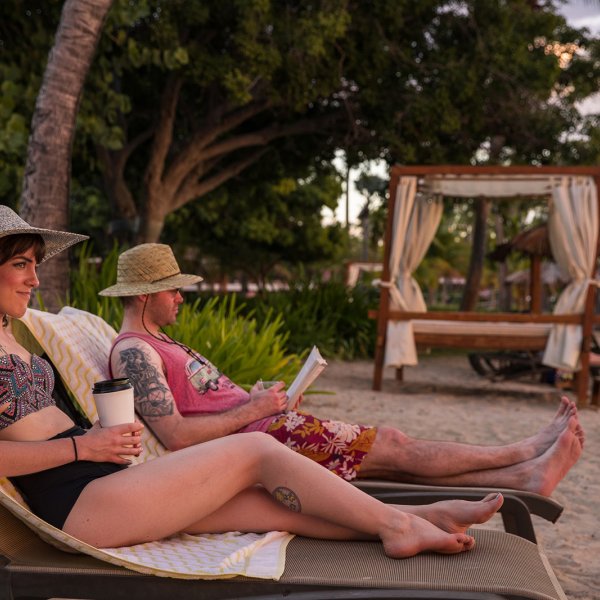
Whether by the shade of trees or a cabana, Puerto Rico's beaches are the perfect place to relax.
4 Reasons to Plan a Vacation to Puerto Rico
If “unforgettable” is how you want to describe your vacation, Puerto Rico should is your place.
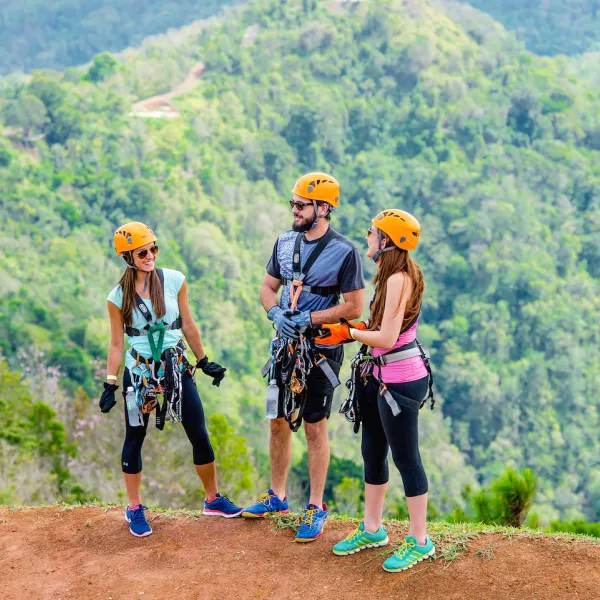
A group enjoys ziplining in the beautiful Toro Verde Nature Adventure Park in Orocovis.
A Week-Long Adventure for Outdoor Enthusiasts
An off-the-beaten-path, adventure-packed escape for intrepid souls.